

Building Enterprise AI with Trust, Security, and Purpose
AI continues to create significant possibilities for organizations, but many business leaders are still approaching adoption with care.
That caution is understandable.
For established organizations, the question is not only what AI can do. The larger question is how it can be introduced responsibly into environments that already include critical systems, sensitive data, complex workflows, regulatory requirements, and years of technology investment.
This is why legacy modernization, security, governance, and production readiness must be part of the same conversation.
Modernization does not always mean replacing what already works. In many cases, it means connecting proven systems with new capabilities, improving workflows, reducing manual effort, and creating stronger business outcomes without disrupting the foundation the organization depends on.
Leaders Are Asking Practical Questions
▪ How will our business and customer data remain protected?
▪ Can AI work securely with our existing systems?
▪ Who is accountable for its actions and decisions?
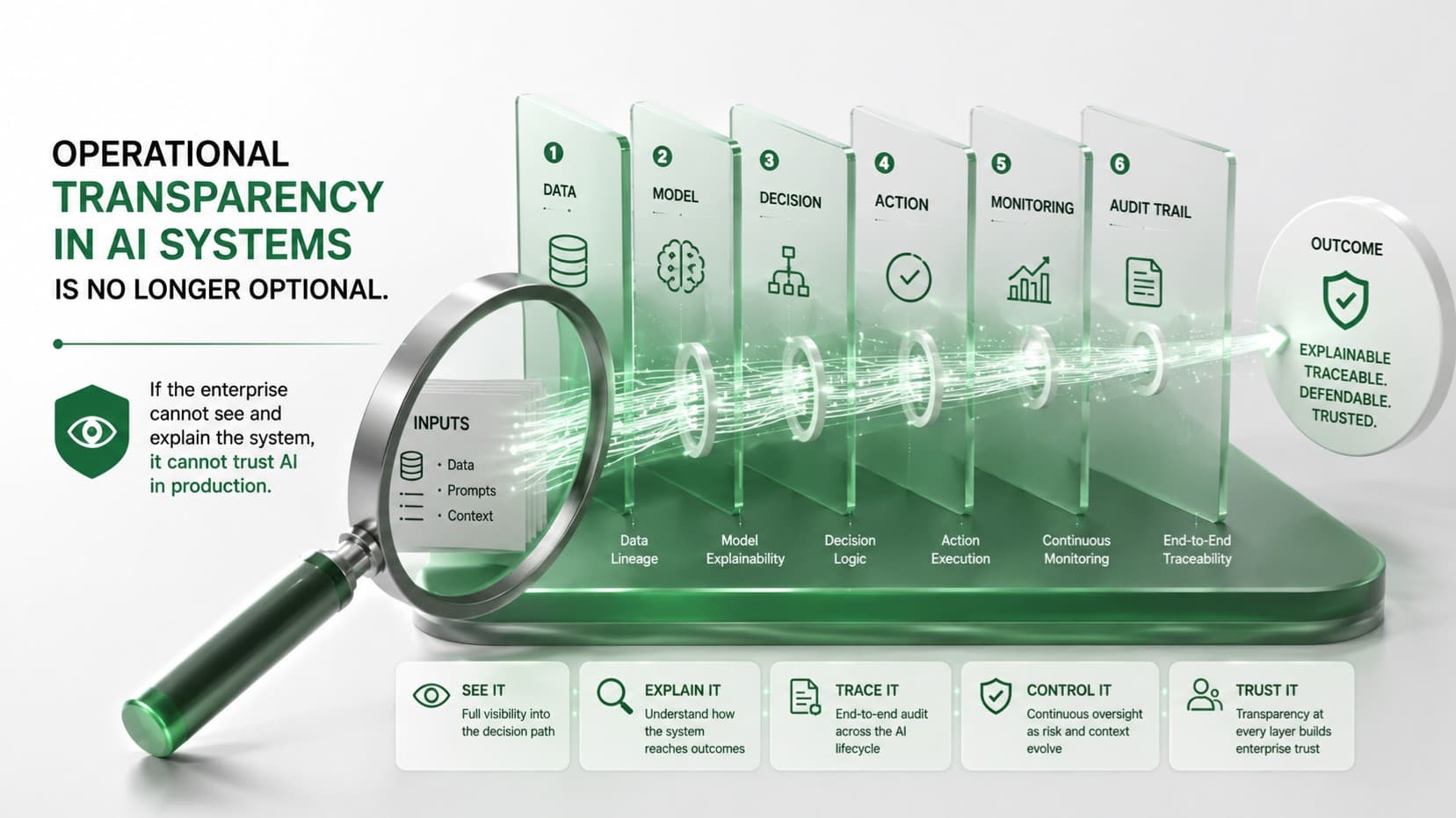
▪ Can activities be monitored, governed, and audited?
▪ Where should human judgment remain in control?
▪ Will the solution remain reliable as the business grows?
▪ How will the investment continue to create measurable value over time?
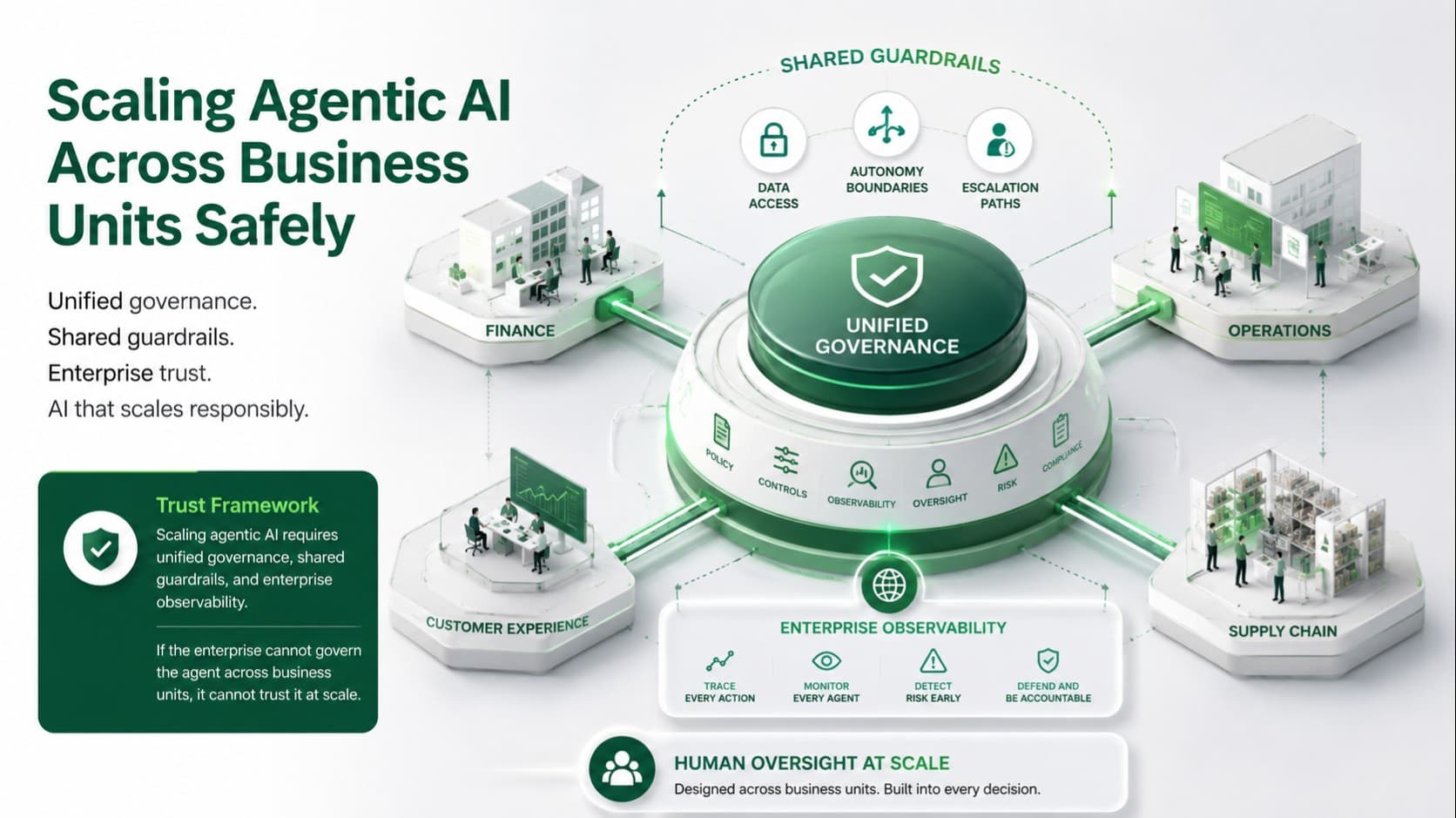
These are not secondary technical considerations. They directly influence business risk, adoption, customer confidence, operational continuity, and long-term return on investment.
The market has created tremendous excitement around AI, but organizations now need clear and grounded conversations about moving from early experimentation to dependable production use.
What Dependable Production Use Requires
Thoughtful enterprise architecture
Secure integrations
Governance and audit controls
Human oversight where it matters
Operational resilience
Measurable business outcomes
Disciplined execution from design through production
I believe the next phase of enterprise AI will be shaped by organizations and technology partners that can combine innovation with responsibility.
The goal should not be to introduce AI simply because it is available. The goal should be to apply it where it creates meaningful value, strengthens existing operations, and earns the confidence of the people who depend on it.
The Direction We Are Building Toward at LuMay
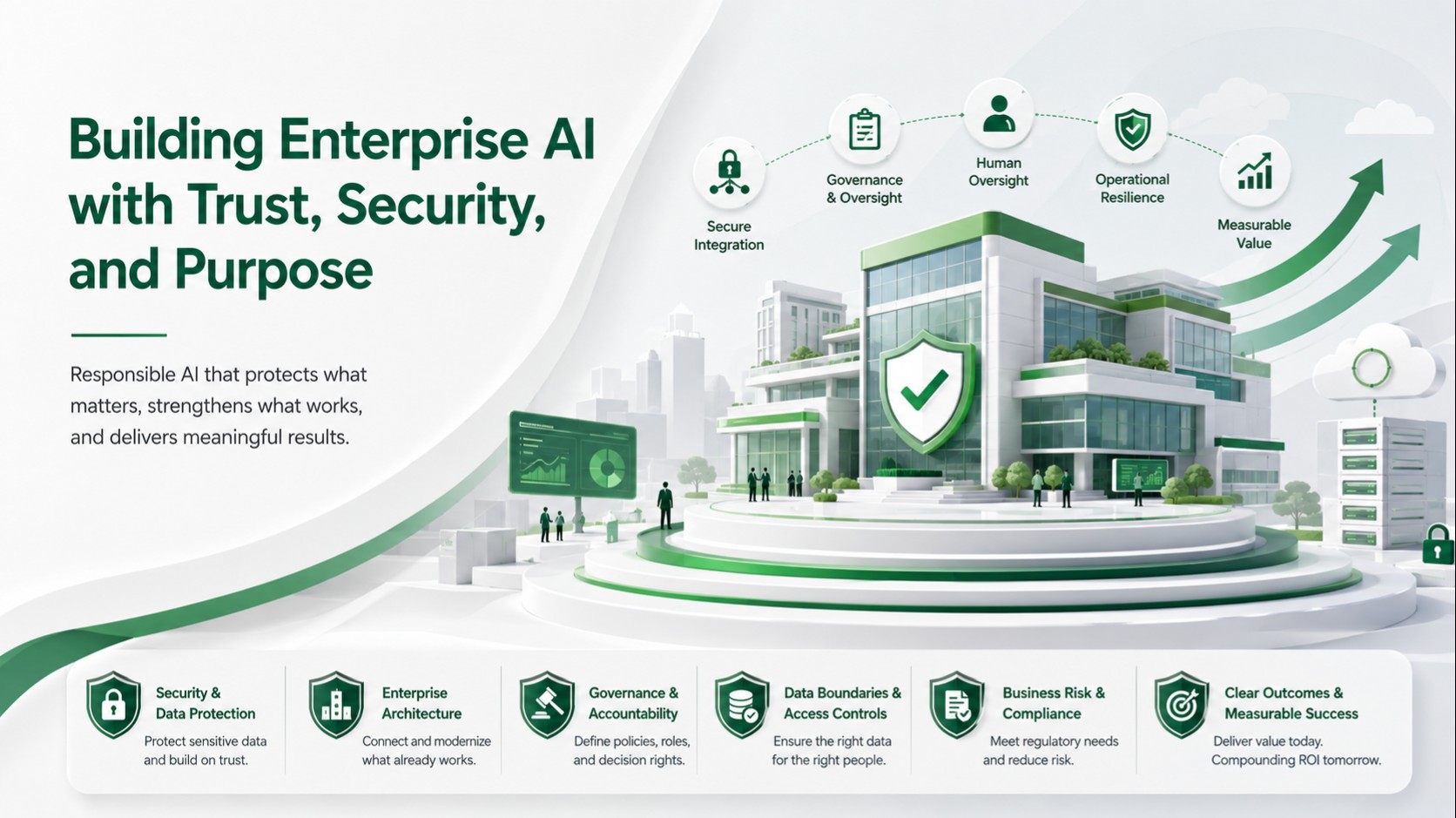
Before implementation begins, we first focus on:
✓ Security and data protection
✓ Enterprise architecture
✓ Governance and accountability
✓ Data boundaries and access controls
✓ Business risk and compliance requirements
✓ Clear outcomes and measurable success criteria
Security Is Built In, Not Added Later
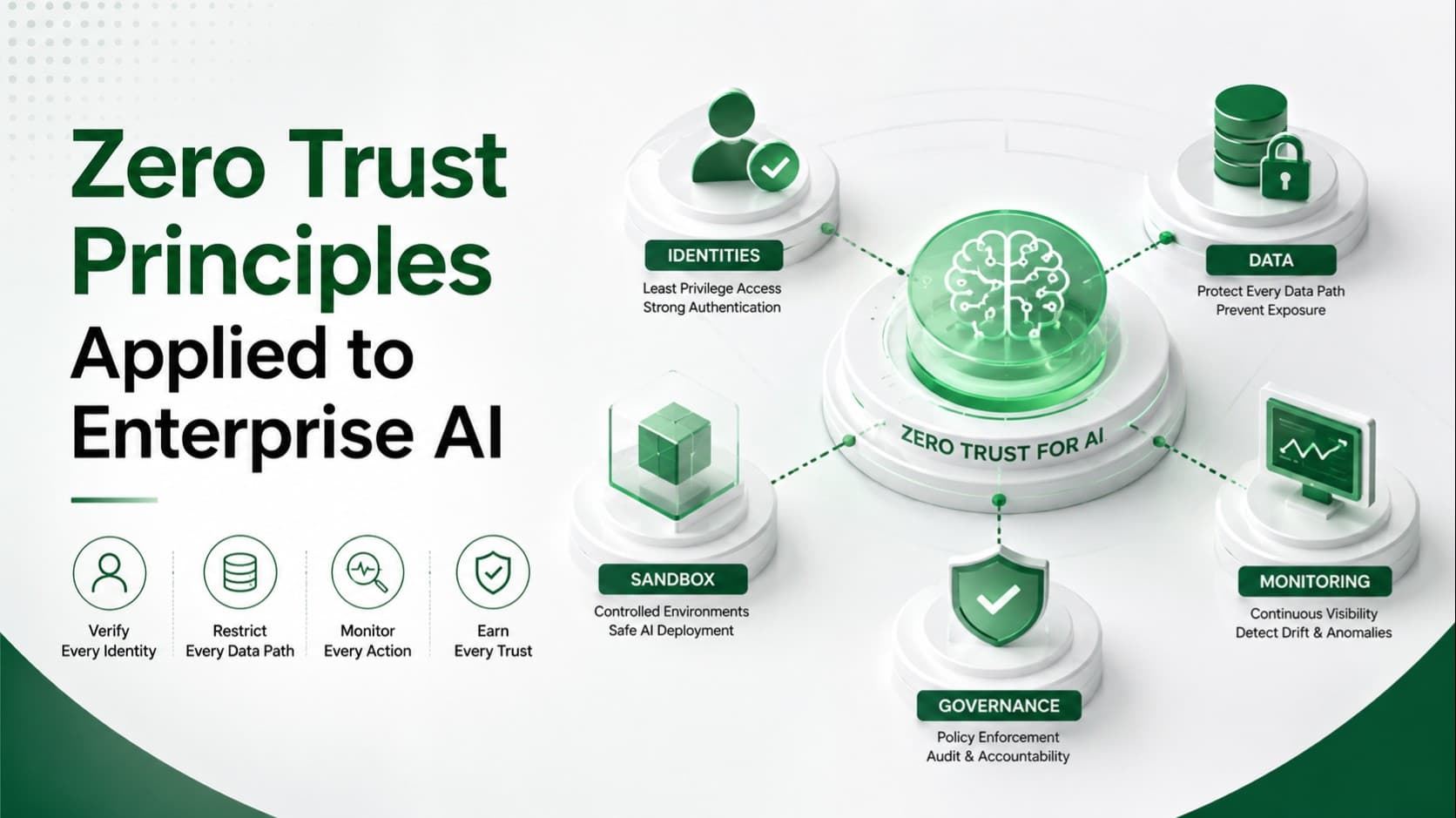
Security is not something we add at the end of delivery. It is part of our culture, our engineering discipline, and the DNA of how we design every solution.
Our elite engineering expertise and experienced leadership team bring together enterprise architecture, AI engineering, security, governance, legacy modernization, and production delivery.
Compounding ROI at Every Stage
For the enterprises working with us, our commitment goes beyond delivering an initial solution. We focus on compounding ROI at every stage by:
→ Reusing secure platform capabilities
→ Reducing repeated development and implementation costs
→ Improving workflows and operational efficiency
→ Strengthening integrations across existing systems
→ Accelerating future AI use cases
→ Continuously measuring adoption, performance, and business value
Each implementation should make the next one faster, more efficient, and more valuable.
Turning AI’s Promise Into Dependable Business Value
When trust, security, purpose, and disciplined execution come together, AI can move beyond promise and become a dependable part of how organizations operate, modernize, and grow.