

Why Agentic AI Demands a New Enterprise Operating Model
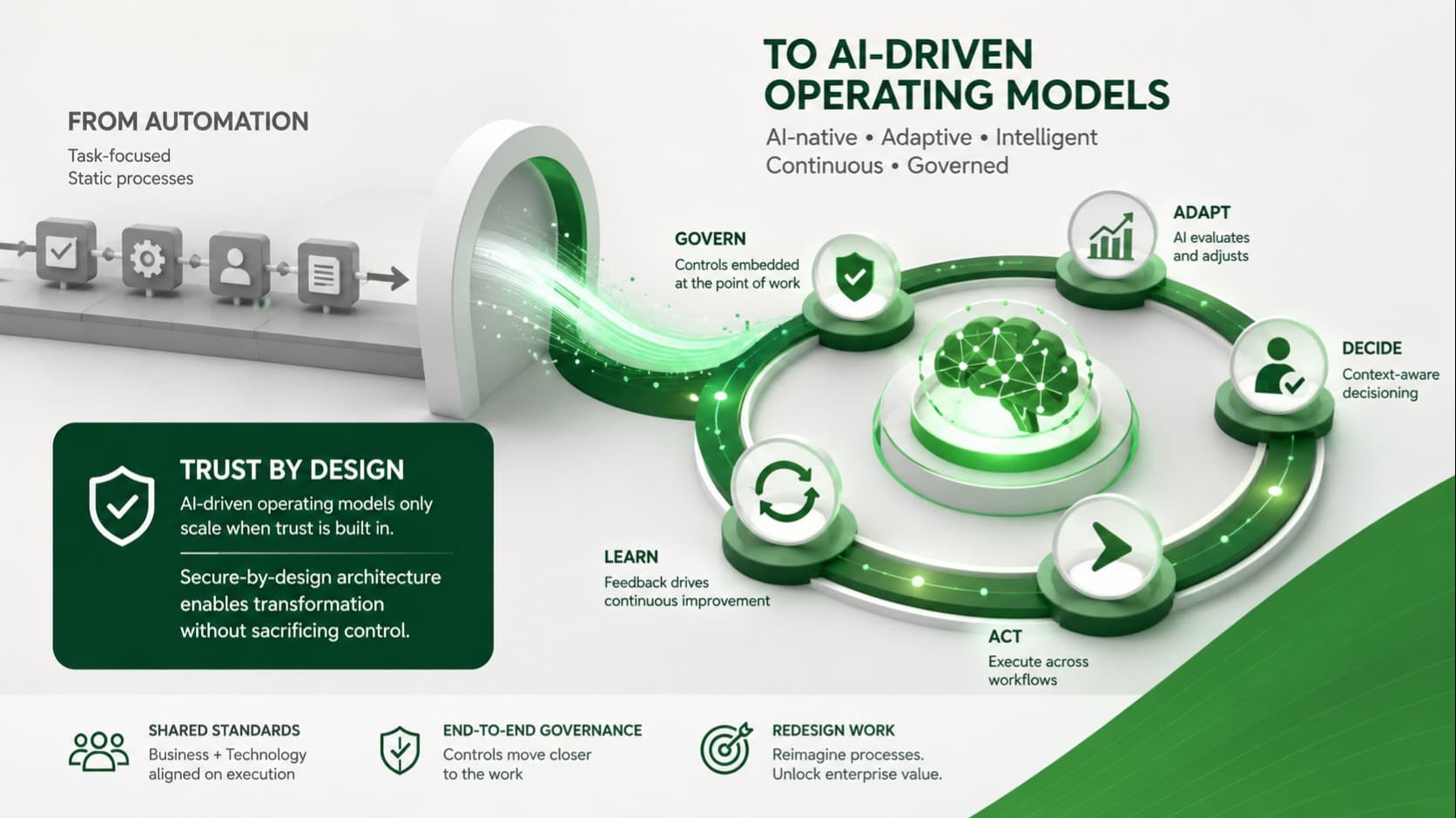
Enterprise AI in 2026 is no longer just automating tasks; it is redefining how work gets done. Agentic AI demands a new operating model where humans and agents collaborate, governance is embedded, and control is continuous. A System governance model is no longer optional. It is essential for production AI to scale.
Agentic AI Redefines How Work Gets Done
Agentic systems are no longer just tools; they are part of the operating model, coordinating workflows, making decisions, and acting across systems. That shift requires a new way of organizing work. [mit] [ibm]
Human Roles Are Shifting to Supervision and Orchestration
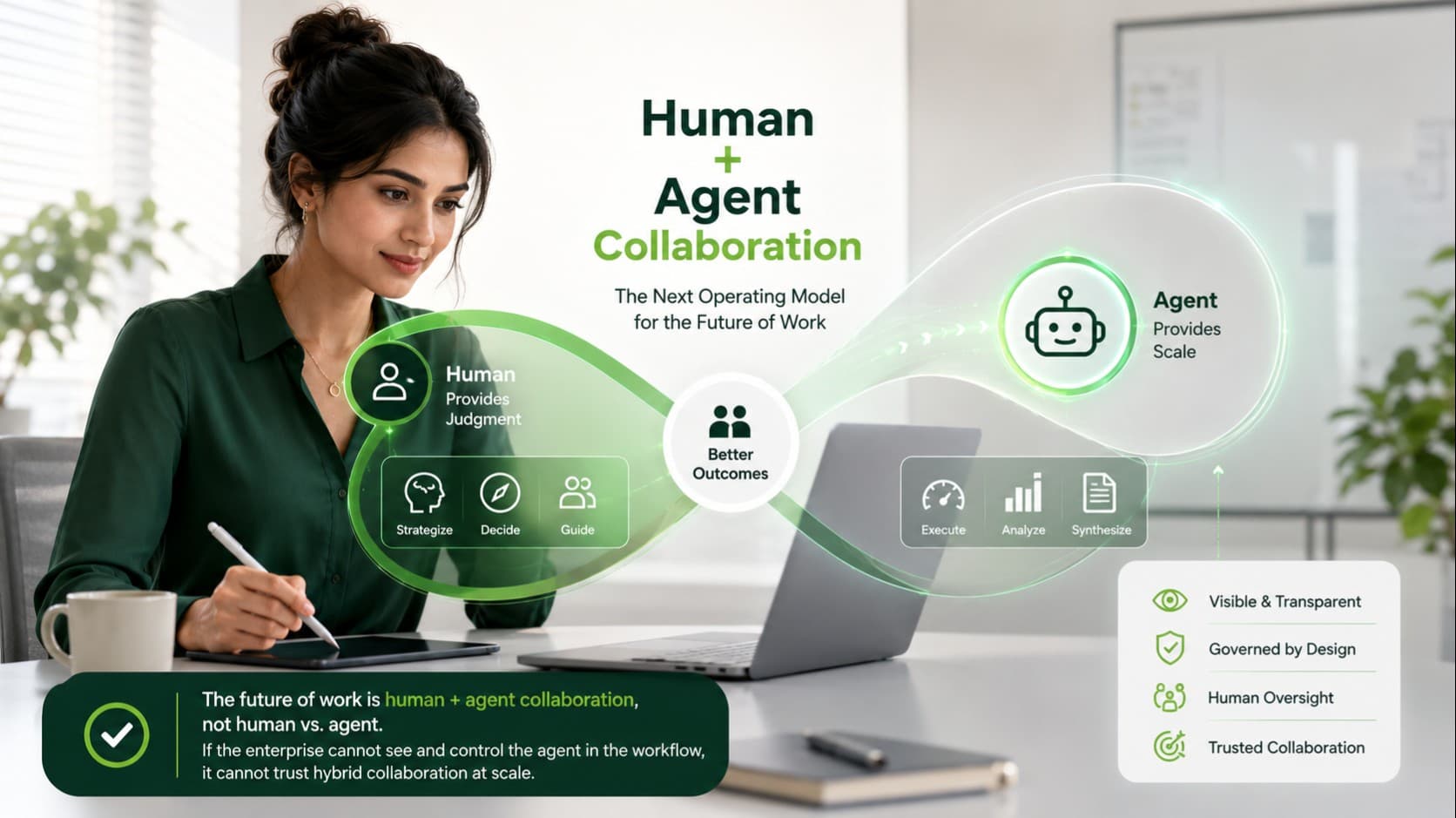
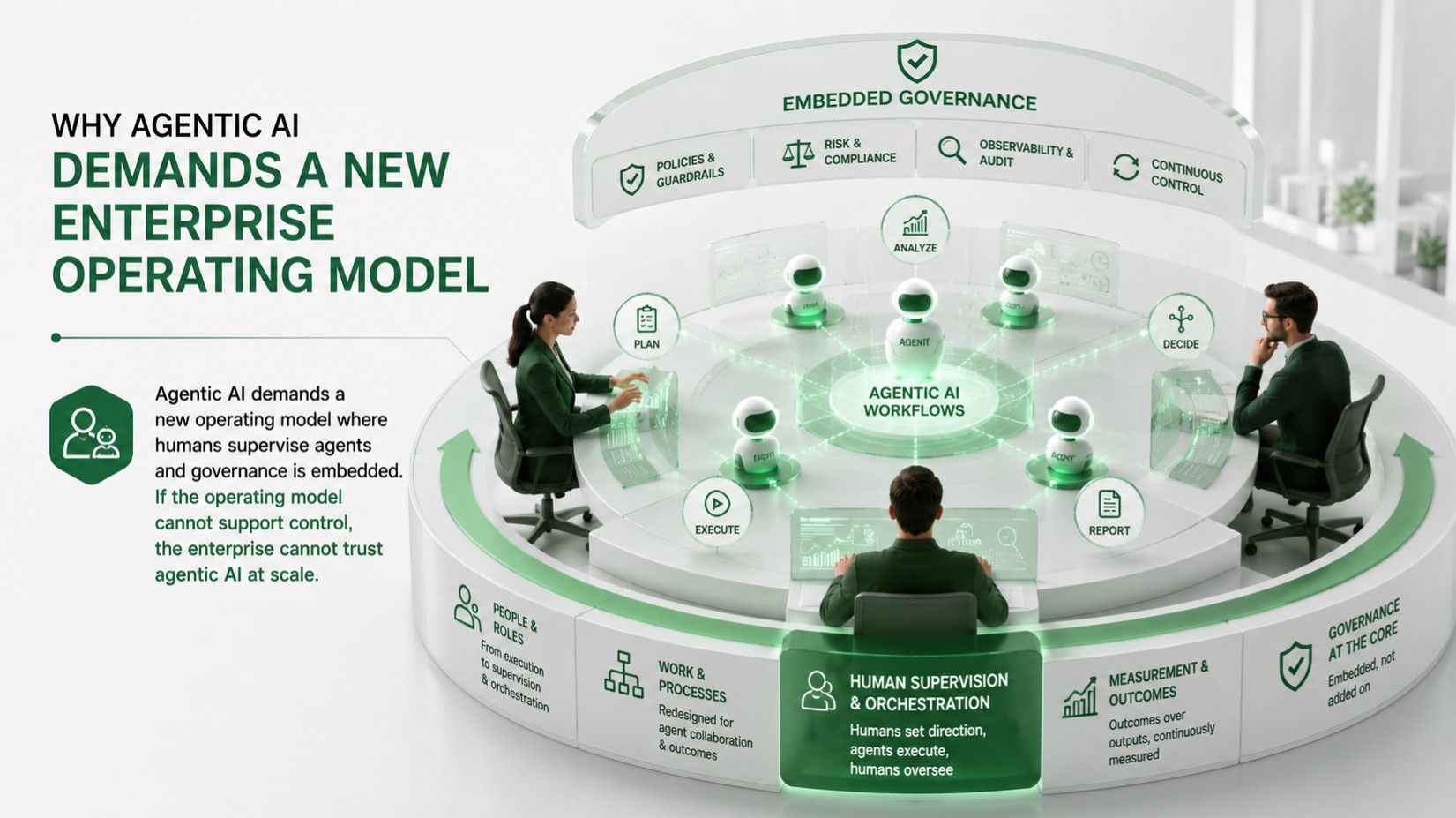
Human roles are shifting from execution to supervision and orchestration of agent-driven workflows. In a hybrid human–agent work environment, clear governance is essential to allow agents to operate transparently and safely at scale. [mckinsey] [frc]
Governance Must Be Embedded in the Operating Model
Governance cannot be a separate layer; it must be embedded in the operating model so that agents operate transparently and safely. Embedded governance is what allows agentic AI to scale without losing control. [superwise] [amplix]
Operating Models Must Support Agent Boundaries
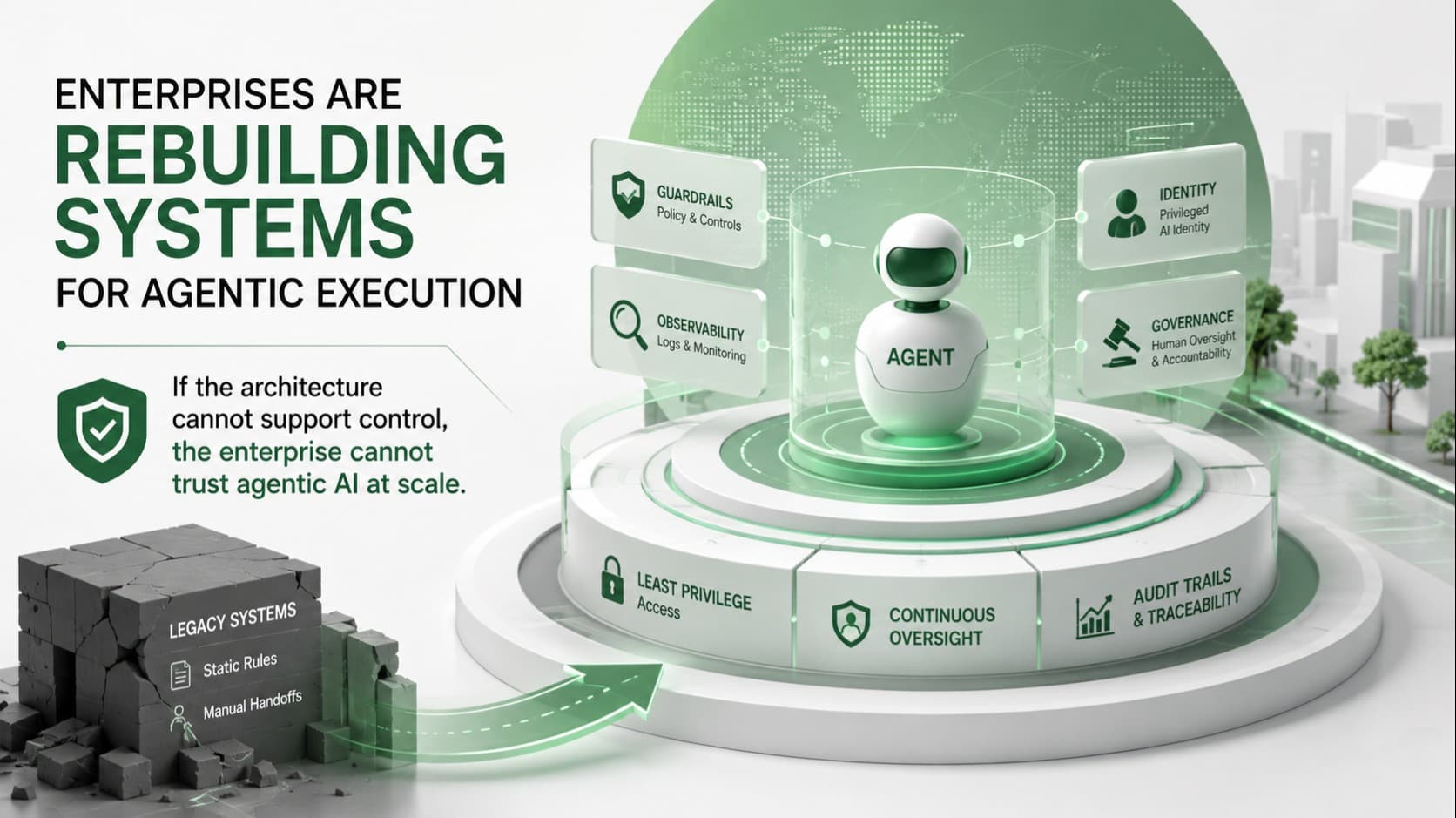
Operating models built for static tools cannot support dynamic agent behavior. The enterprise must redesign how work is governed, approved, and measured to support agents that act autonomously. [kellton] [strata]
Trust Depends on an Operating Model That Supports Control
Enterprise trust in agentic AI depends on an operating model that supports guardrails, observability, and human oversight. If the operating model cannot support control, the enterprise cannot trust the agent at scale. [amplix] [datasociety]
Trust framework callout
Agentic AI demands a new Systems level operating model where humans supervise agents and governance is embedded. If the operating model cannot support control, the enterprise cannot trust agentic AI at scale.