01
Custom AI Applications
We develop tailored AI applications that solve specific business challenges, improve workflows, and support smarter decision-making across teams.
Build Reliable AI Solutions That Drive Real Business Impact
Every engagement starts with the process you want to improve - the systems it touches, the data it depends on, and the outcome your team actually needs - before any conversation about models or tools.
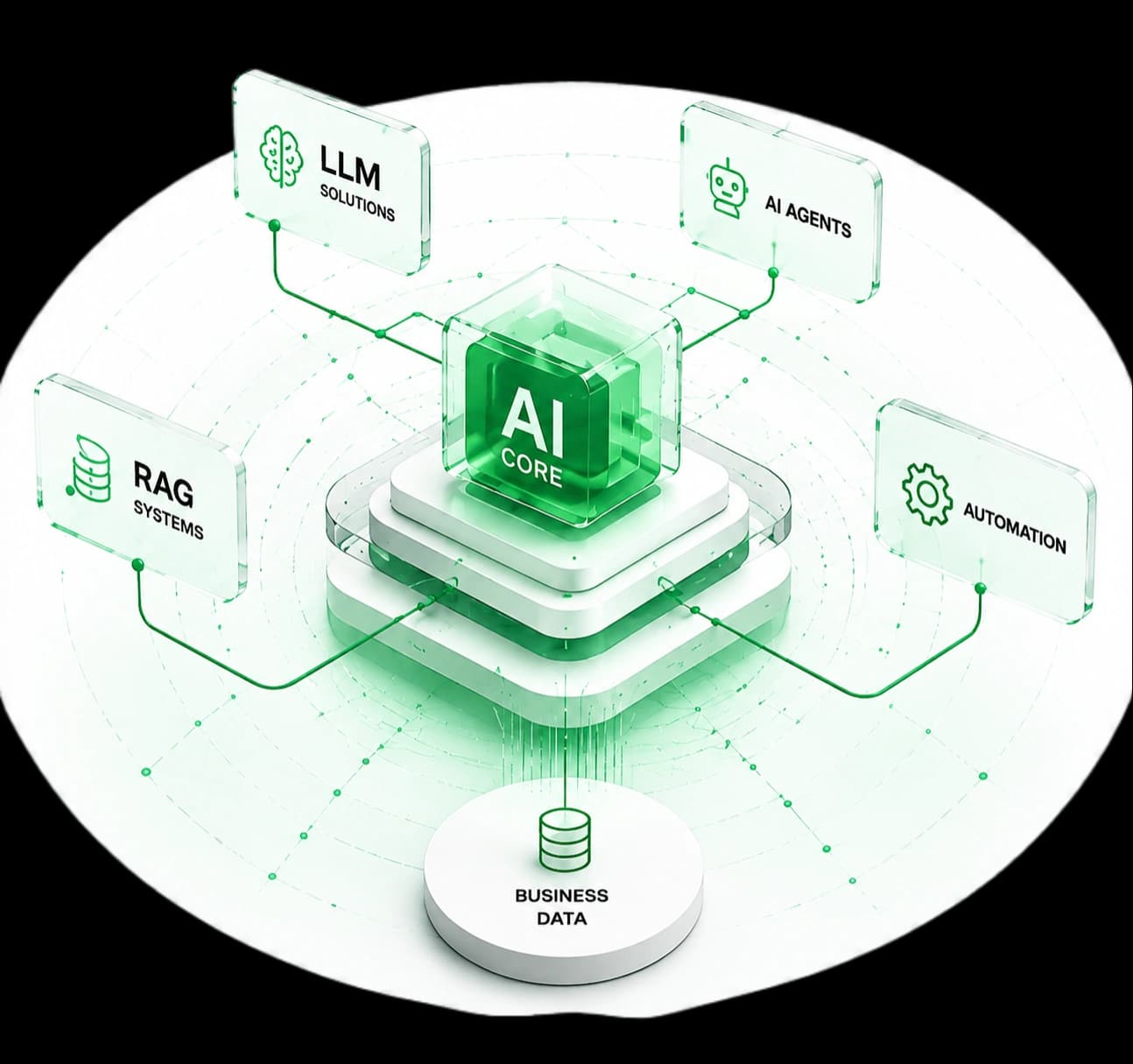
From AI applications and intelligent agents to RAG-powered knowledge systems and automation solutions, we help US businesses integrate AI into existing workflows without disrupting how teams already operate.
LuMay creates AI solutions shaped around your business goals, data environment, and operational requirements - helping teams work smarter, move faster, and make better decisions.
We develop tailored AI applications that solve specific business challenges, improve workflows, and support smarter decision-making across teams.
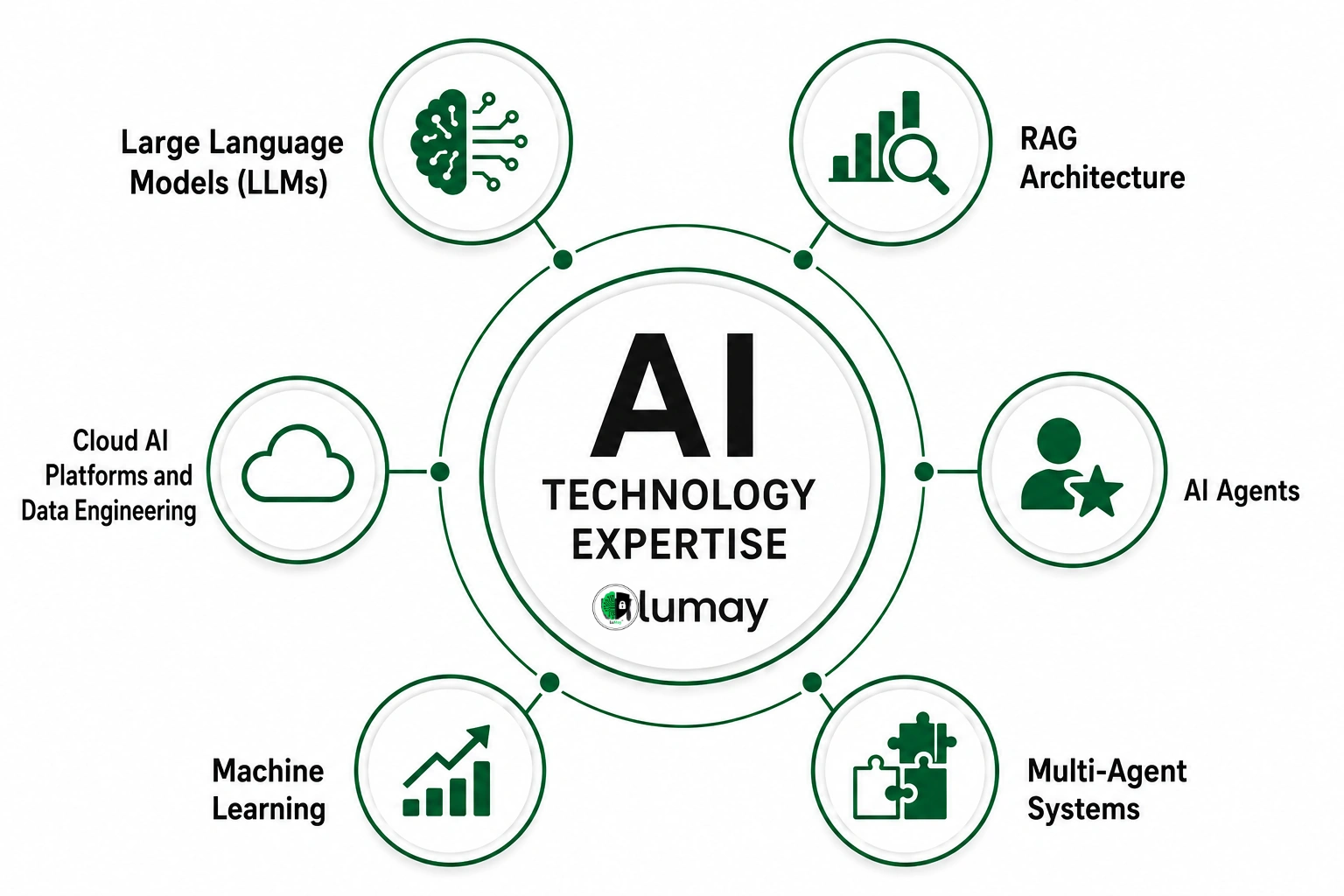
We build intelligent AI agents that understand tasks, retrieve information, execute workflows, and support business operations with appropriate human oversight. For complex processes, we design multi-agent systems where specialized agents collaborate to complete advanced workflows.
We develop large language model solutions designed around accuracy, reliability, and business-specific requirements.
We build Retrieval-Augmented Generation systems that connect AI models with trusted business data sources, enabling grounded and reliable answers using internal knowledge.
We develop machine learning systems that help organizations make faster, more informed decisions.
We automate repetitive business processes across departments to improve productivity, reduce manual effort, and speed up execution.
Our approach focuses on business outcomes, not just technology.
We understand your business objectives, challenges, users, workflows, and expected outcomes.
We evaluate data readiness, technical feasibility, AI opportunities, and potential business value.
We design the right AI architecture, including model strategy, data approach, integration planning, security requirements, and governance controls.
We develop and integrate AI solutions into your products, platforms, and business systems.
We test accuracy, reliability, performance, safety, and business rule compliance.
We monitor deployed solutions, optimize performance, and continuously improve AI systems based on real-world usage.
AI DEVELOPMENT SERVICES
From strategy and development to automation and integration, we build practical AI solutions that work in production.
Define the business case, success criteria, and roadmap for practical AI adoption.
Build production-ready AI software around the workflows, systems, and controls your team actually needs.
Develop assistants, copilots, and search experiences with grounded prompts and guardrails.
Design user-facing AI experiences that assist teams, answer questions, and drive repeatable actions.
Deploy predictive models for classification, scoring, anomaly detection, and forecasting.
Extract, classify, route, and summarize text for business systems.
Apply image and video understanding to operational workflows and inspection tasks.
Connect AI systems to products, knowledge, APIs, and workflows so the output becomes operational, not isolated.
Enterprise AI requires trust, security, and responsible implementation.
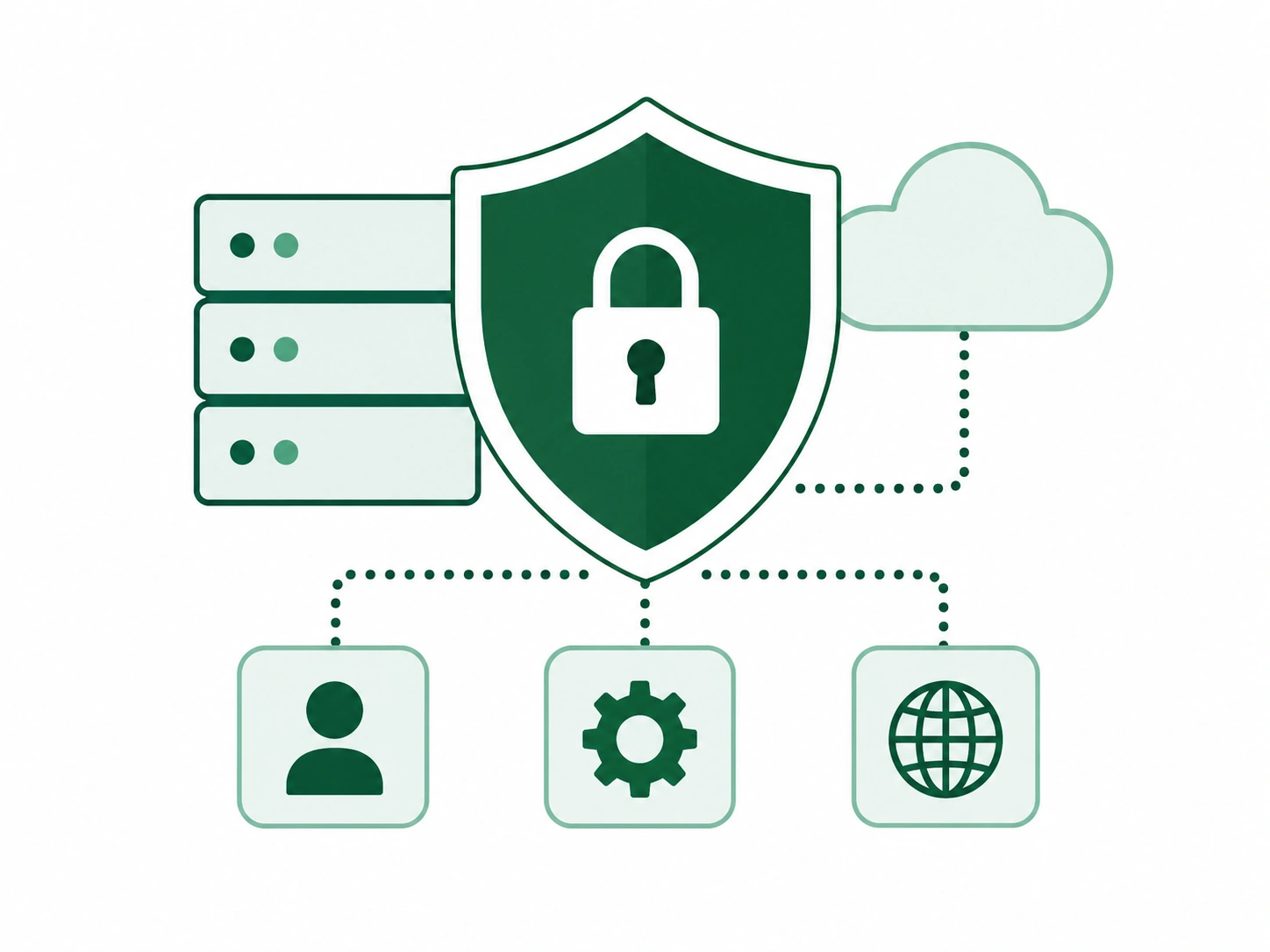
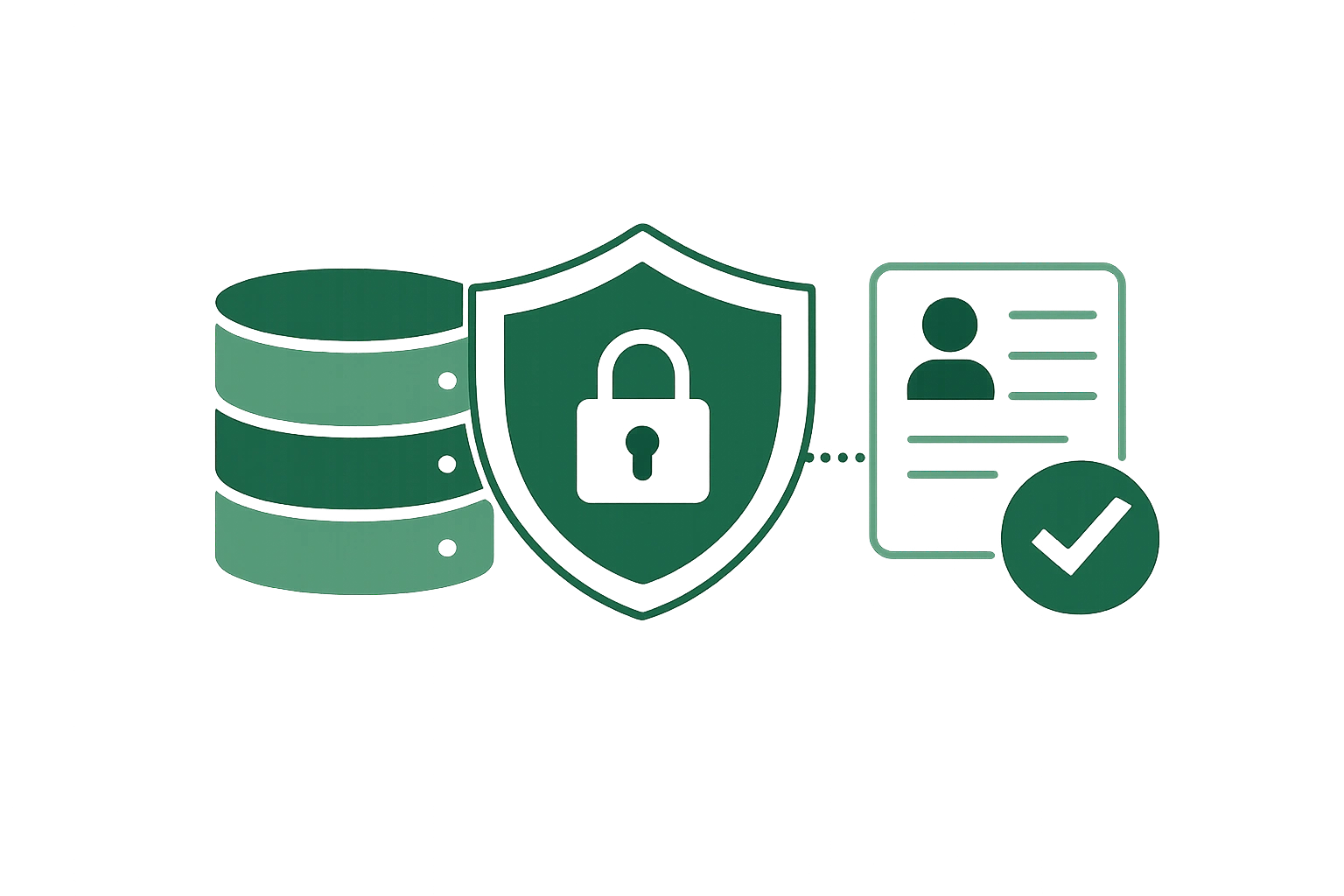
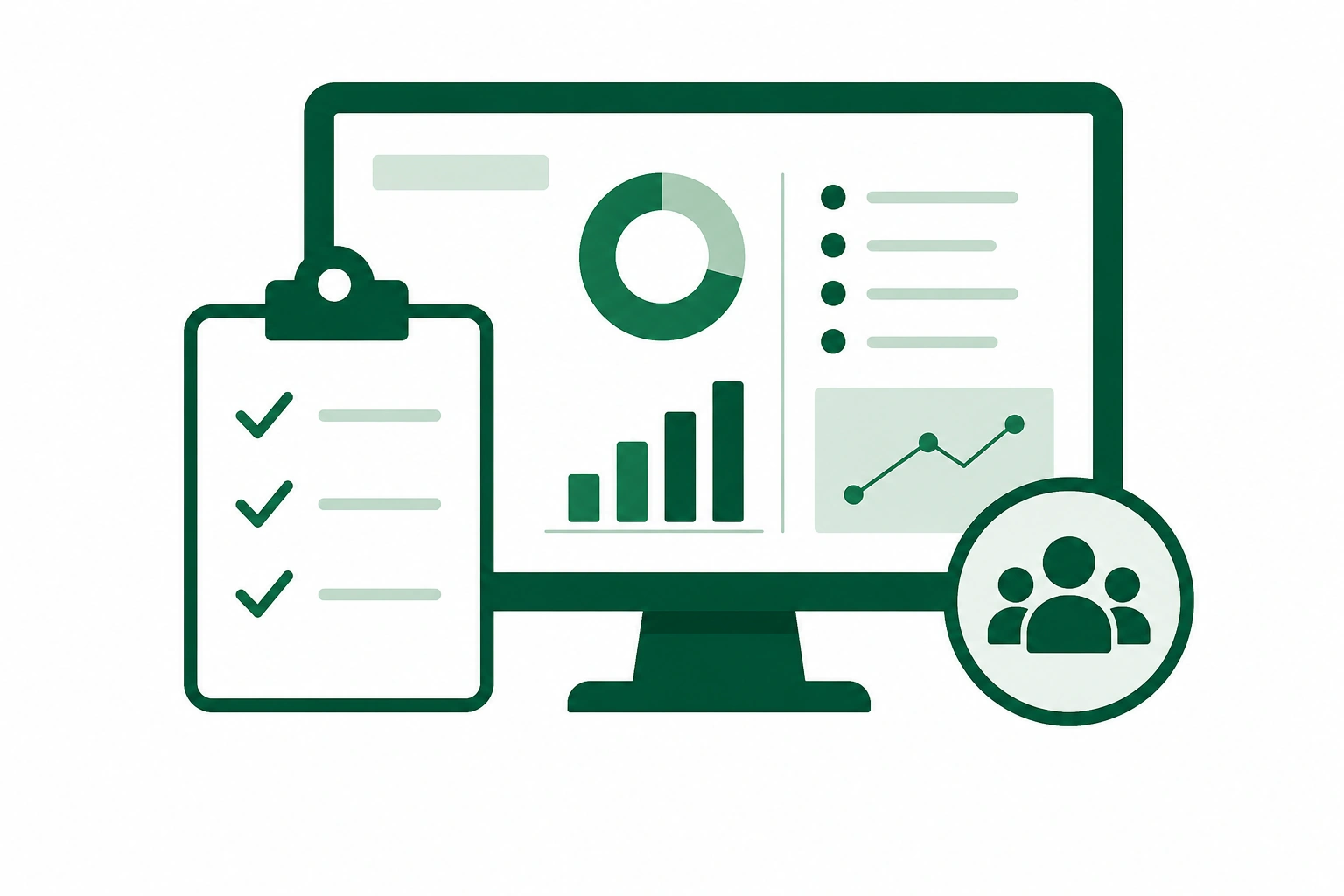

Promote transparency, mitigate risk, and enhance quality





Lumay builds practical, secure, and scalable AI solutions for real business use.
From idea to production-ready implementation
AI solutions built around real business goals.
Scalable systems ready for real-world deployment.
Focused on accuracy, validation, and adoption.
Commercial, open-source, custom, or hybrid AI.
AI solutions for distributed and international teams.
Automate customer interactions, classify requests, and provide faster responses.
Help employees quickly find policies, documents, and business information.
Support sales teams with research, summaries, lead insights, and productivity tools.
Analyze large amounts of information and generate valuable insights.
Identify patterns, predict issues, and improve business performance.
Support reporting, analysis, reconciliation, and risk workflows.
Picking a development partner is easier when you walk into the first call prepared, and when you know what questions separate a real scoping conversation from a sales pitch.
A good scoping answer references your actual process back to you - which systems get touched, where data needs to move, and where a human still needs to review or approve a decision. Ask directly: which parts of delivery does the partner own end-to-end, and which parts depend on your team (data access, approvals, internal rollout)? Vague answers about "AI transformation" without reference to your specific systems are a signal to keep asking.
Before signing, ask what documentation you'll receive at handover, how the system's logic and configuration are explained, and what ongoing maintenance - if any - sits with the partner versus your internal team. Agreeing on this upfront avoids ambiguity once the solution is live.
Hypothetical example - not a claimed customer result: a distributor wants help with incoming order requests. Requests arrive by email across multiple warehouse locations, need to be classified, matched against inventory and ERP data, and routed to a human for approval before fulfillment. A partner evaluating this should be able to describe, specifically, how each step would be handled, where their responsibility ends, and what your team would need to maintain afterward.
Come ready to describe the process you want to improve, the systems and data it touches, where it currently breaks down, what success looks like, any timeline constraints, and who on your side owns the decision. The more concretely you can describe the workflow, the faster a partner can give you a real scoping answer instead of a generic pitch.
We move through a defined sequence - Discover, Validate, Architect, Build, Verify, Scale - so responsibility for each stage is clear before work starts. Ask any partner directly which steps they own end-to-end versus which require your team's involvement, such as data access, approvals, or internal rollout.
A development partner engagement is scoped around a specific outcome - integration points, data sources, and success criteria defined up front. A staffed pod is more about ongoing capacity. Ask which model a vendor is proposing, since it changes how the project is scoped, estimated, and handed off.
This should be agreed before the project starts, not after. Ask what documentation you'll receive, how configuration and logic are handed over, and what ongoing involvement (if any) is expected from the development partner versus your internal team.
At minimum, ask for documentation covering how the system is architected, how it integrates with your existing systems and data, and how to operate or adjust it going forward. If you expect to maintain the solution internally, confirm this scope before signing.
LuMay helps businesses turn AI ideas into reliable solutions, from assistants and automation to RAG platforms, agents, and ML systems.
Schedule an AI Consultation