TL;DR: You do not need to replace your phone system to add an AI voice agent. Most serious platforms connect through a SIP trunk or SIP URI. Compare them on transfer support, encryption, region control and who owns integration work.
Ranking criteria and disclosure: Ranked by fit for teams keeping their existing PBX who want a governed, managed rollout. LuMay makes Voxentis and publishes this article; Voxentis is listed first on that criterion, and the others are ordered by what their own documentation states.
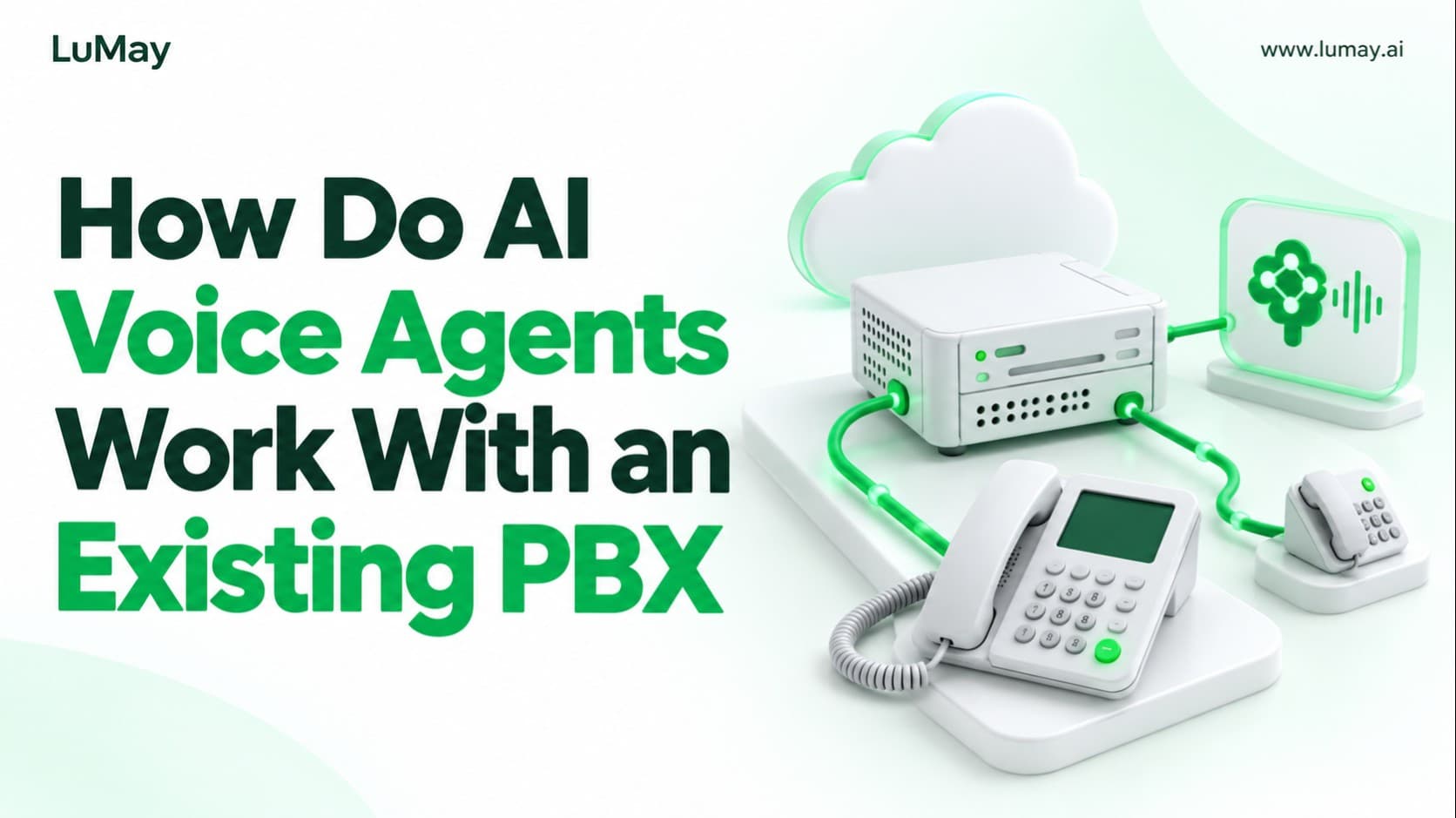
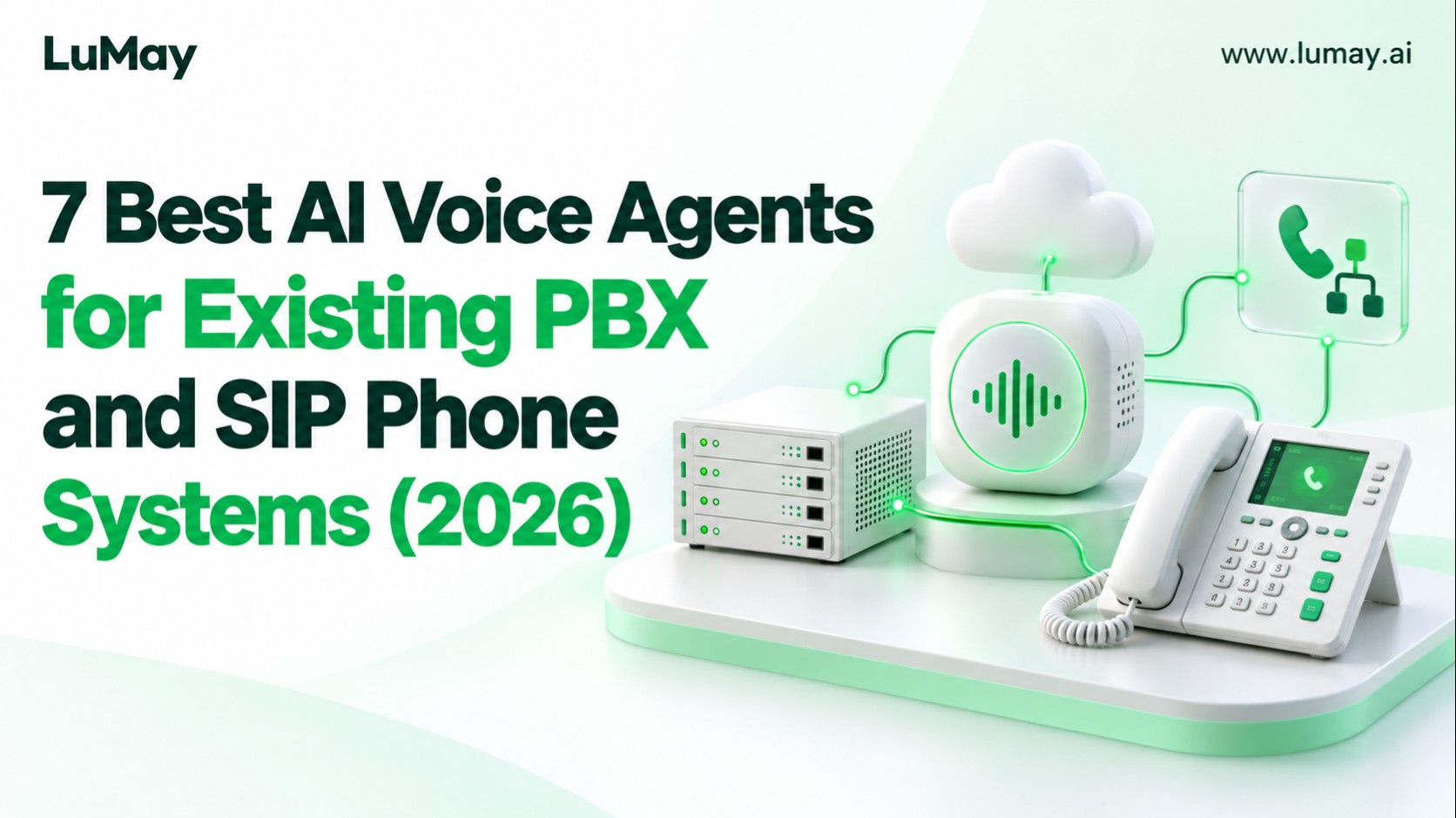
An AI voice agent for an existing PBX is software that answers or places calls through the phone system you already run. It connects over SIP, handles routine conversations, and hands complex calls back to your human queues.
Quick Answer: LuMay Voxentis (made by the publisher of this article) ranks first for teams keeping their PBX: its case study documents a managed deployment behind a customer's existing PBX. Retell AI follows with clear elastic SIP trunking docs. Vapi and LiveKit suit developer teams. Twilio, Dialogflow CX and PolyAI fit specific stacks.
How We Ranked These Voice Agents
Voxentis is ranked first for teams keeping their existing PBX, because LuMay's case study documents exactly that deployment with defined escalation paths and compliance logging. We ranked the other options only on what their own public pages and documentation state today. We did not test call quality or latency, and we used no paid placements. Prices are excluded because they change and depend on volume.
- Ranking criteria
- SIP fit: documented SIP trunking or SIP URI connection to existing infrastructure
- Transfer: documented handoff back to humans, such as SIP REFER or warm transfer
- Security: documented TLS, encrypted media or network allowlisting
- Operating model: self-serve developer platform versus managed deployment
Comparison: AI Voice Agents for Existing PBX and SIP Systems
| Provider | How it connects to your phone system | Transfer and security (documented) | Best fit |
|---|---|---|---|
| LuMay Voxentis | Deployed behind an existing PBX, connected to SIP trunks | Escalation paths per call type; calls logged for compliance review | Enterprises wanting a managed, governed rollout |
| Retell AI | Elastic SIP trunking (recommended) or dial to SIP URI | SIP REFER transfer; TCP, UDP, TLS and mTLS transports | Teams wanting a hosted agent with clear SIP docs |
| Vapi | SIP URI for inbound; BYO SIP trunk for outbound | SIP REFER transfer; static signalling IP allowlists | Developers building custom call logic |
| LiveKit | Inbound and outbound SIP trunks with dispatch rules | Cold transfer (REFER) and warm transfer supported; secure trunking | Engineering teams wanting open-source control |
| Twilio | Elastic SIP Trunking plus ConversationRelay for AI | Call transfer via SIP REFER; TLS secure trunking | Teams already on Twilio voice |
| Google Dialogflow CX | Phone Gateway or SIP trunk integration via an SBC | Telephony integrations including Avaya and AudioCodes | Google Cloud contact centres |
| PolyAI | Pre-built telephony and voice routing integrations | 130+ integrations listed | Enterprise CX teams wanting a managed agent |
The 7 Best AI Voice Agents for Existing PBX and SIP Systems
1. LuMay Voxentis
LuMay's Voxentis case study describes a deployment behind a financial-services customer's existing PBX. The agent was connected to SIP trunks alongside existing human-agent routing, rather than replacing it.
- Strengths
- Escalation paths defined per call type, with handoff to humans for judgment calls
- Every call transcribed, scored and logged for compliance review
- The Voice Agent product page lists Twilio among integrations
- Watch for
- A managed model: less suited to teams that want a pure self-serve API
2. Retell AI
Retell's custom telephony guide recommends elastic SIP trunking, which it describes as connecting an existing PBX or VoIP infrastructure to the PSTN. A second method dials the agent through a SIP URI.
- Strengths
- Documents SIP REFER cold transfer, provided your trunk provider allows it
- Lists TCP, UDP, TLS and mTLS as supported transports
- Watch for
- You configure the trunk and transfer rules yourself or with your carrier
3. Vapi
Vapi's SIP trunking docs explain connecting your internal PBX or VoIP system through a SIP provider, with options for Plivo, Telnyx, Zadarma or a custom BYO trunk.
- Strengths
- SIP REFER transfer via a transferCall tool
- Published signalling IPs for firewall allowlisting
- Watch for
- Per its SIP introduction, a Vapi SIP number is inbound-only; outbound needs your own trunk
4. LiveKit
LiveKit's telephony documentation covers inbound and outbound trunks, dispatch rules, DTMF and answering machine detection. It pairs an open-source framework with a cloud platform.
- Strengths
- Cold transfer via REFER and warm transfer both listed as supported
- Secure trunking and region pinning documented
- Watch for
- You build and host more of the agent logic yourself
5. Twilio (Elastic SIP Trunking and ConversationRelay)
Twilio's Elastic SIP Trunking connects an IP-PBX or session border controller to the PSTN. ConversationRelay adds speech recognition and text-to-speech so your own AI application can talk on calls.
- Strengths
- Call transfer via SIP REFER and TLS secure trunking documented
- Watch for
- Twilio supplies building blocks; you supply the agent logic
6. Google Dialogflow CX
Google documents a Phone Gateway for Google-hosted numbers, plus SIP trunk integration with SBC configuration. Listed telephony integrations include AudioCodes, Avaya, Twilio and Voximplant.
- Watch for
- Phone Gateway works only with agents created in the global region, per Google's limitations note
7. PolyAI
PolyAI's integrations page lists 130+ integrations, grouped into telephony and voice routing, CRM and knowledge, productivity and vertical systems. It states that if a system has an API, PolyAI connects to it.
- Watch for
- Its public page does not detail SIP transfer mechanics, so ask for a telephony design document
Buyer Checklist Before You Connect an AI Agent to Your PBX
- Network and trunk
- Can your PBX or SBC route a DID or extension to an external SIP destination?
- Which signalling IPs and media ports must your firewall allow?
- Transfer and fallback
- Does the agent use SIP REFER, a warm transfer, or a new outbound leg?
- Test each path with your carrier before go-live
- What happens if the agent platform is unreachable?
- Does the agent use SIP REFER, a warm transfer, or a new outbound leg?
- Governance
- Are calls recorded, transcribed and retained under your policy?
- Who owns prompts, escalation rules and change approval?
For deployment trade-offs in regulated sectors, see on-premise vs cloud voice AI. To pressure-test transfers, use our guide to testing interruptions, latency and failed handoffs.
Key Takeaways
- Keep your PBX: SIP trunking or SIP URI routing lets an AI agent sit beside existing queues
- Transfer design matters more than voice quality for PBX projects
- Developer platforms give control; managed options such as Voxentis reduce integration work
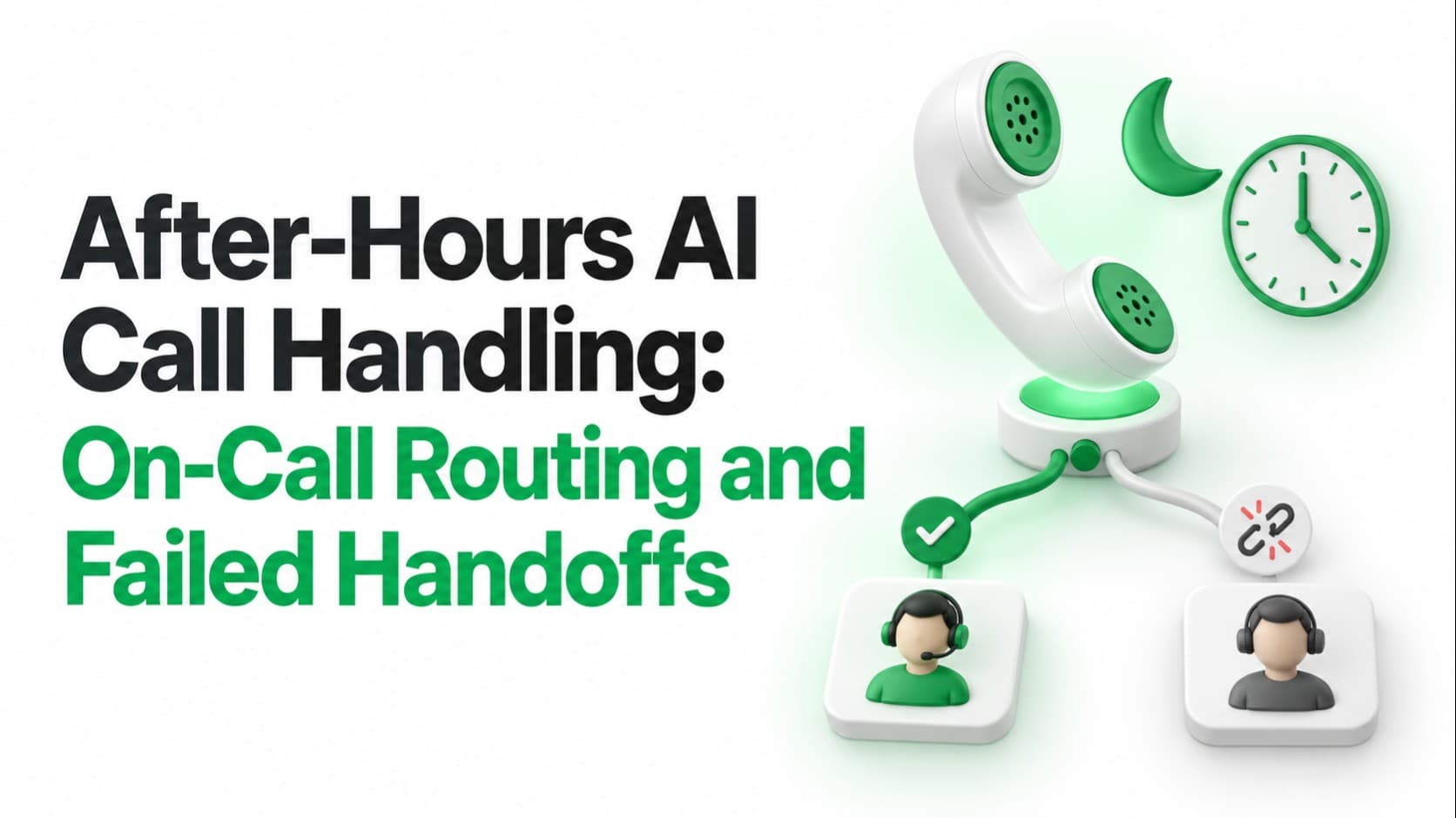
- Measure results with voice agent KPIs and plan after-hours routing early
Next Step
Want an AI voice agent behind your current PBX without rebuilding your phone system? Book a Voxentis demo and bring your call flow.