

The Future of Workflows: Human + Agent Collaboration
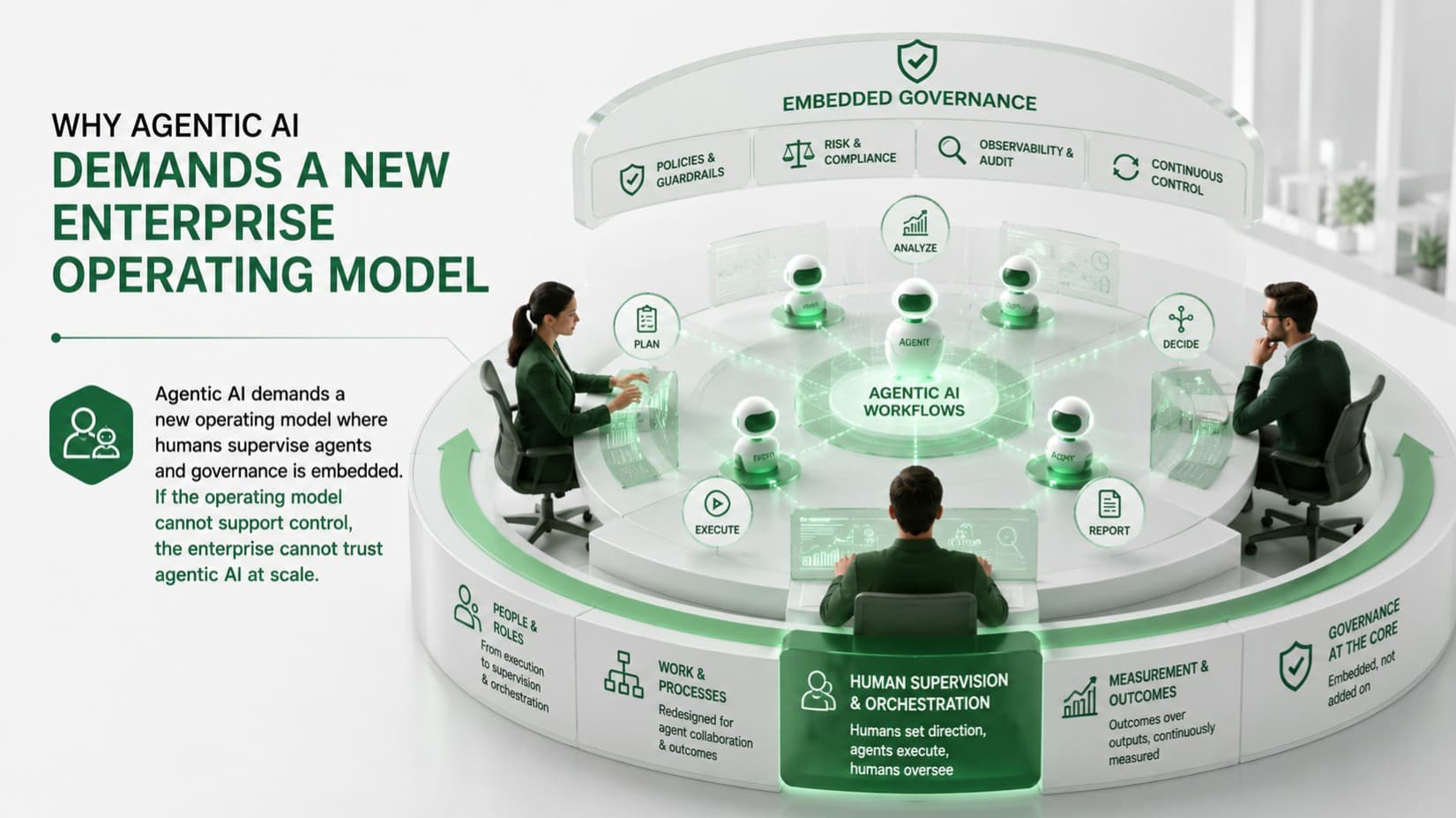
I have seen that Enterprise AI in 2026 is shifting from automation that supports humans to hybrid workflows where humans and agents collaborate as partners. That shift defines the next operating model, where humans supervise, orchestrate, and intervene while agents act autonomously within guardrails. This describes the new model of the way work now gets done. Companies embracing this new reality are experiencing rapid transformation in productivity gains and revenue lift. Those retaining their experienced resources are actually experiencing the greatest value as AI alone cannot deliver the client value and architecture that only experienced resources can deliver.
Human + Agent Collaboration Defines the Next Operating Model
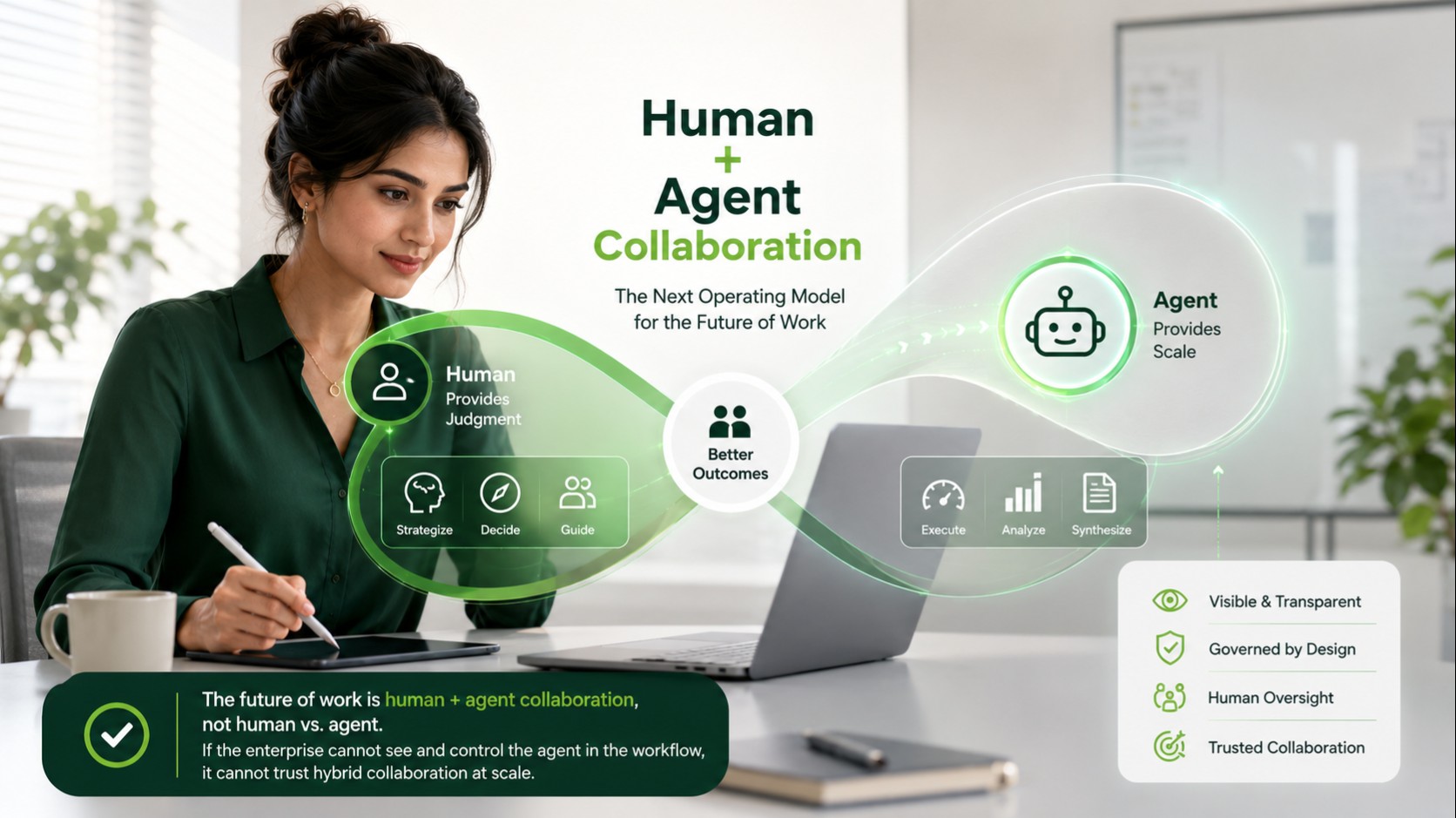
The future of work is not human vs. agent; it is human + agent, where humans provide judgment and agents provide scale. That collaboration is what defines the next operating model. [elixirclaw] [frc]
Workflows Are Becoming Hybrid by Design
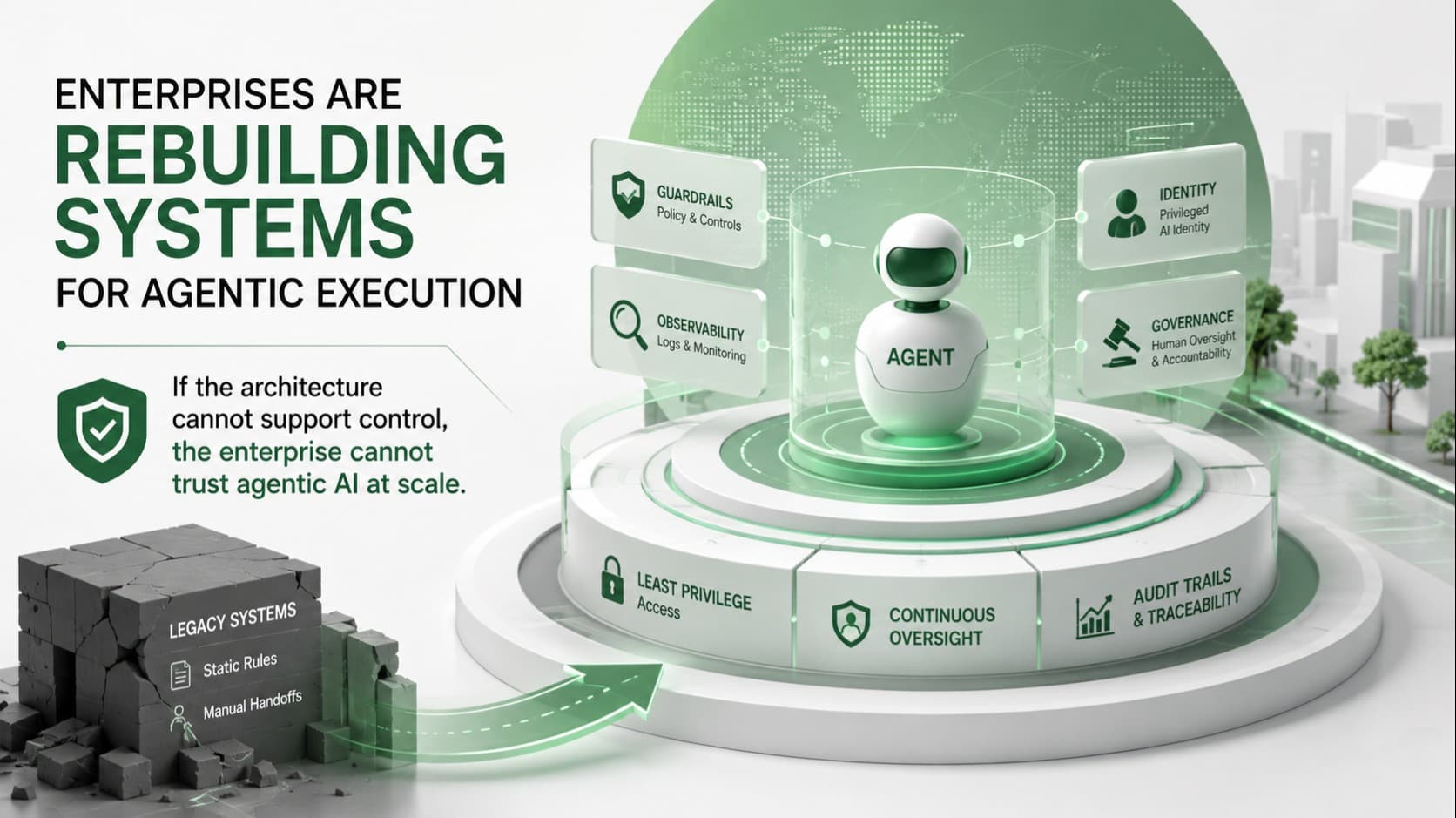
Workflows are no longer designed for humans alone; they are designed for hybrid human–agent execution. That means governance, observability, and control must be built for both human and agent actions. [mckinsey] [crossml]
Human Oversight Is Still Required for High-Stakes Decisions
Agentic systems can accelerate execution, but they cannot replace judgment where business, legal, or safety risk is material. Human-in-the-loop control remains essential when the consequences of error are high. [onereach] [strata]
Agents Need Clear Boundaries in Collaborative Workflows
Agents in hybrid workflows need clear boundaries for what they can do, where they can act, and when they must escalate. Those boundaries are set by people, not by the model itself, and they are what keep the system aligned to business intent. [linkedin] [moxo]
Trust DepEnds on Transparency in Human–Agent Collaboration
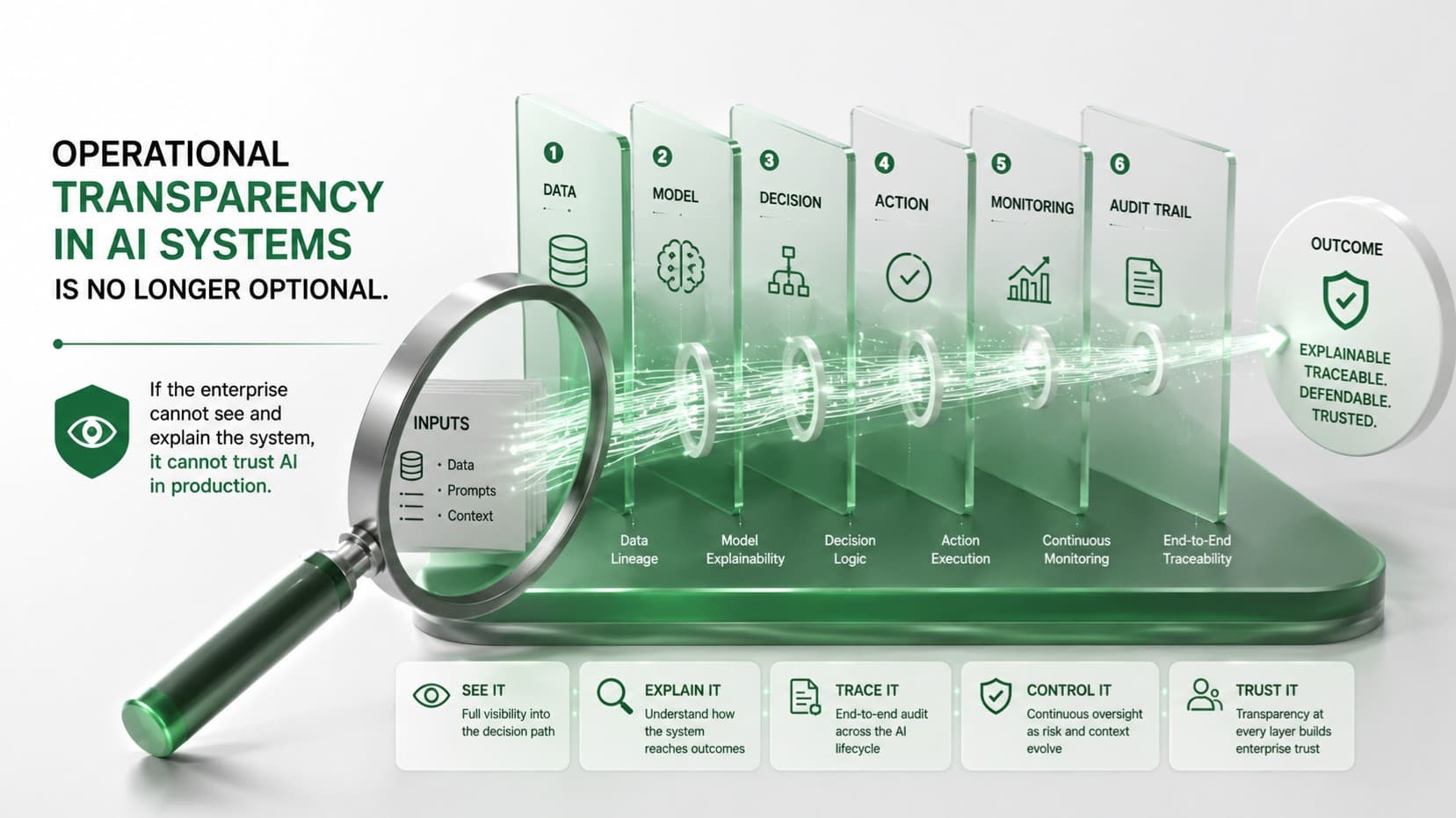
Enterprise trust in hybrid workflows depends on the ability to see what the agent did and when the human intervened. Transparency is what makes human–agent collaboration safe enough to scale. At Lumay.ai this level of Trust is fundamental to our Agentic Factory and a guiding principle underlying anything we build. [amplix] [datasociety]
Trust framework callout
The future of work is human + agent collaboration, not human vs. agent.
If the enterprise cannot see and control the agent in the workflow, it cannot trust hybrid collaboration at scale.