Enterprise AI Specialists
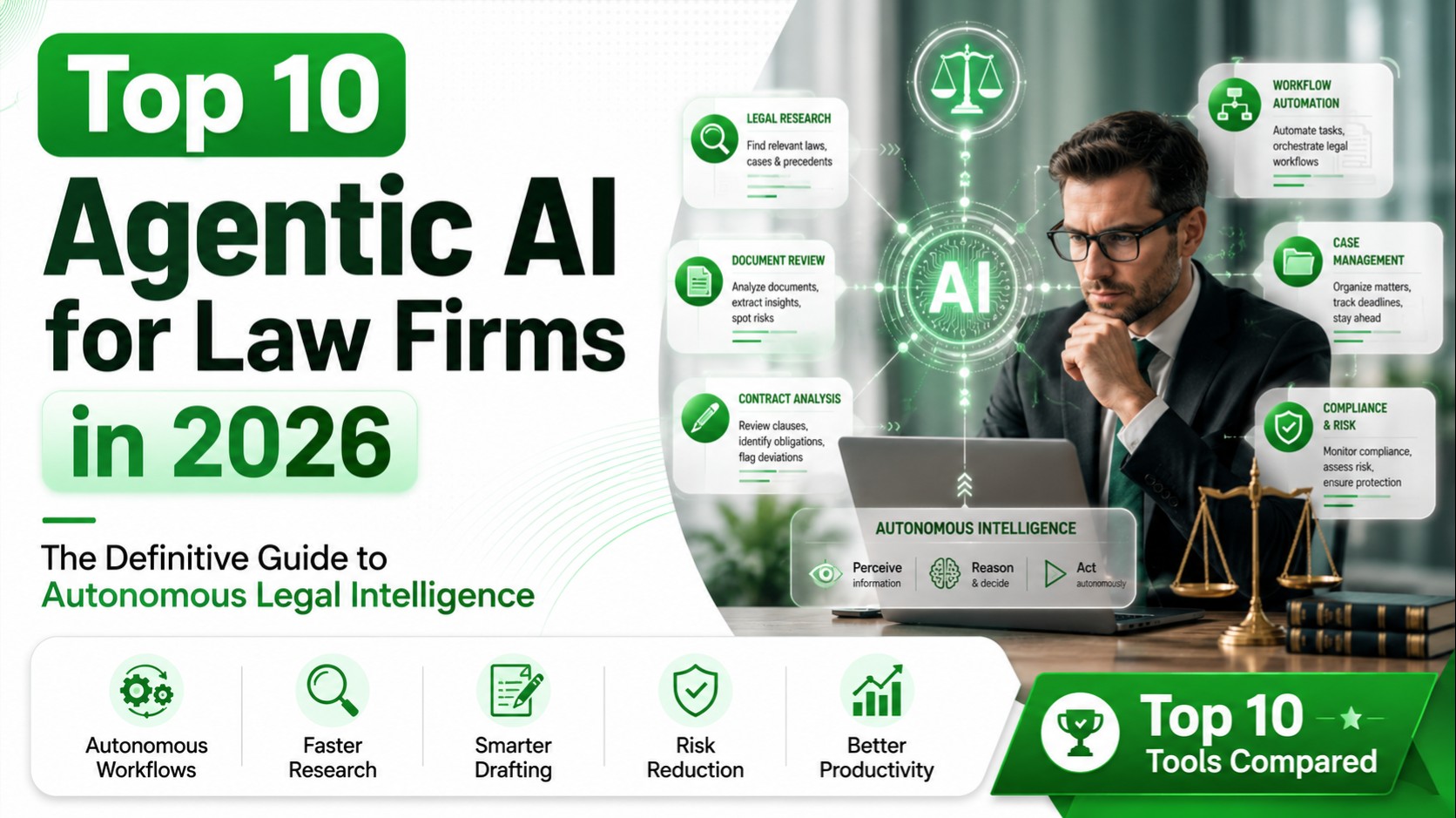
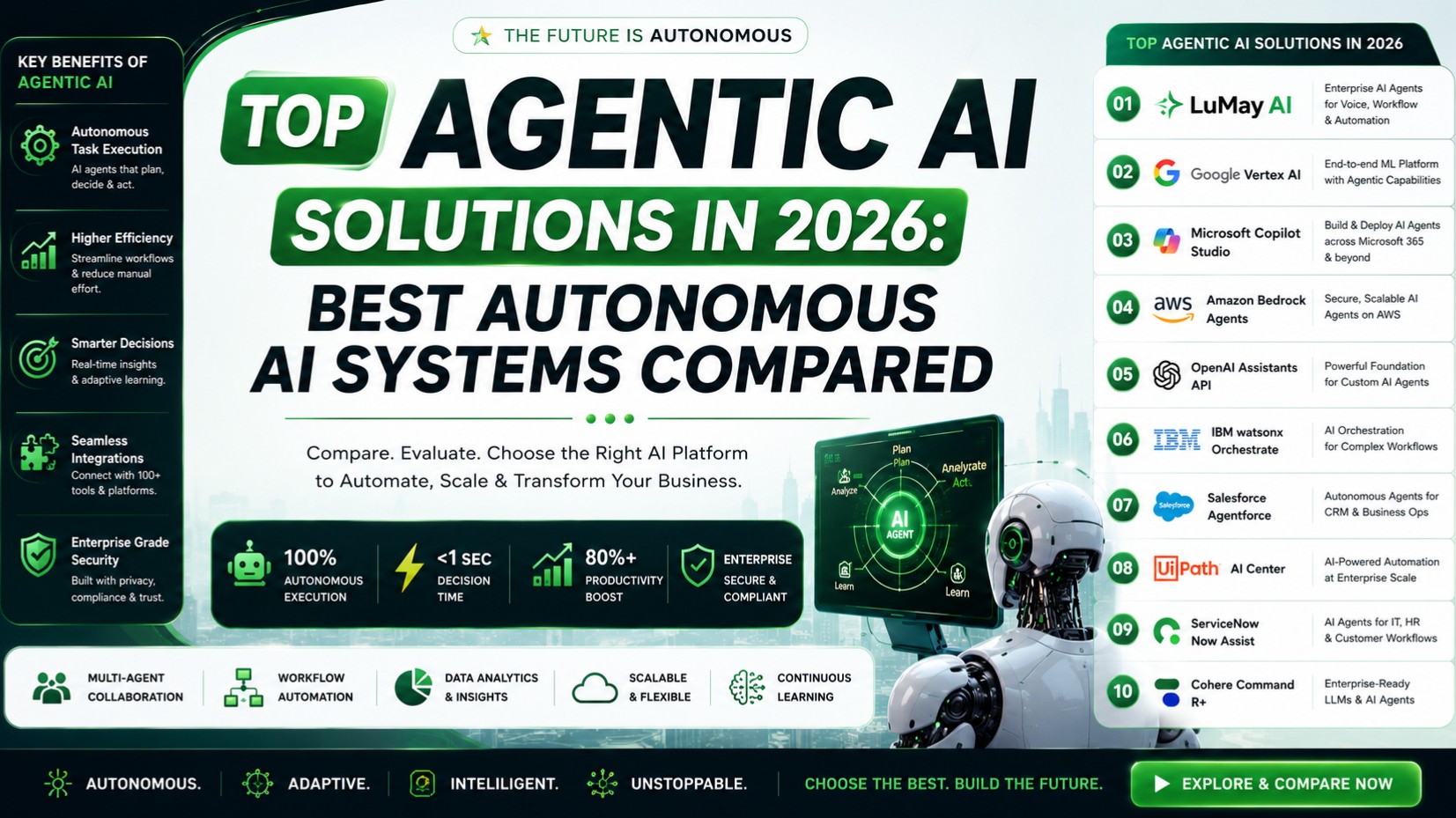
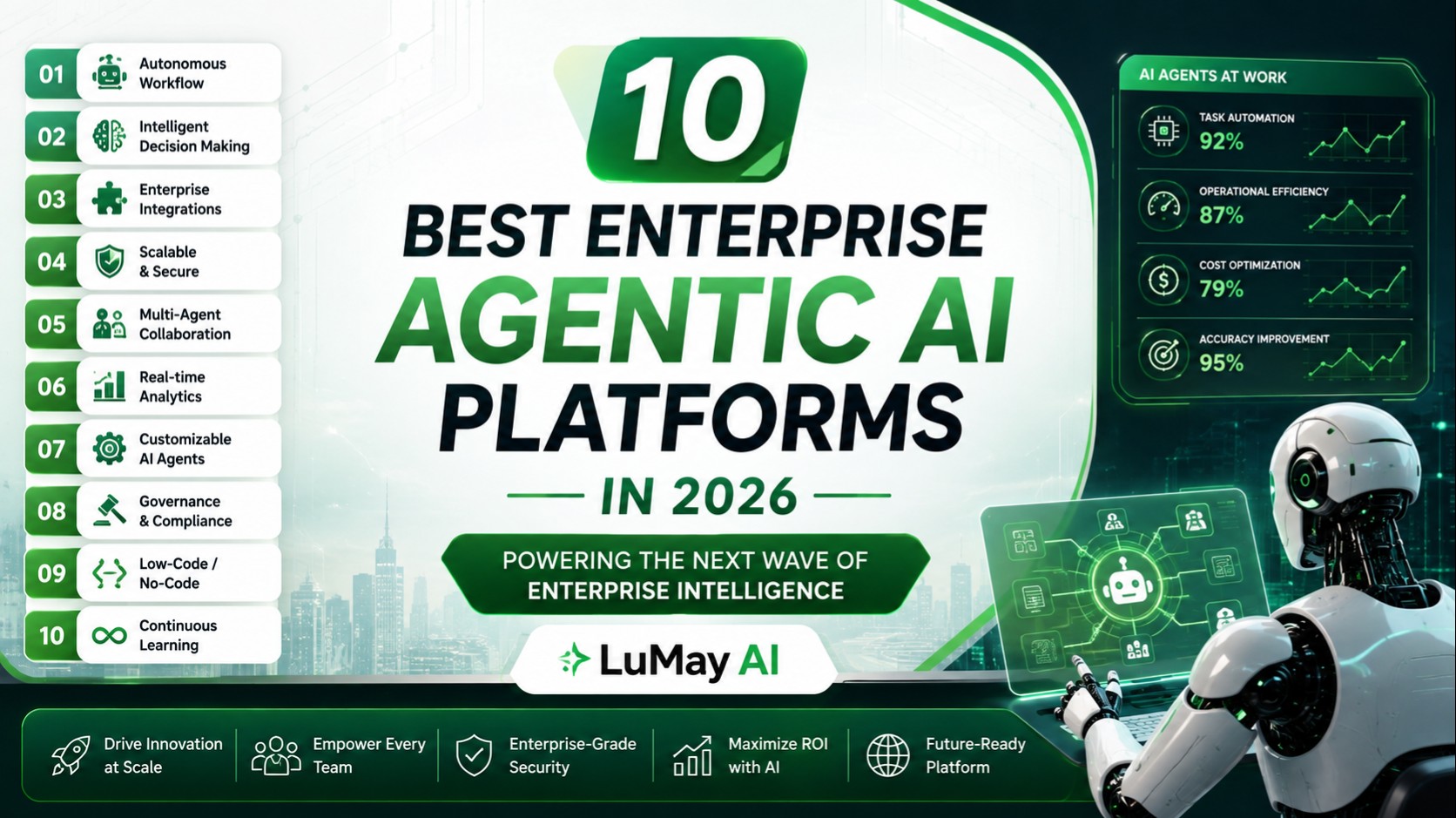
10 Best Agentic AI Platforms 2026
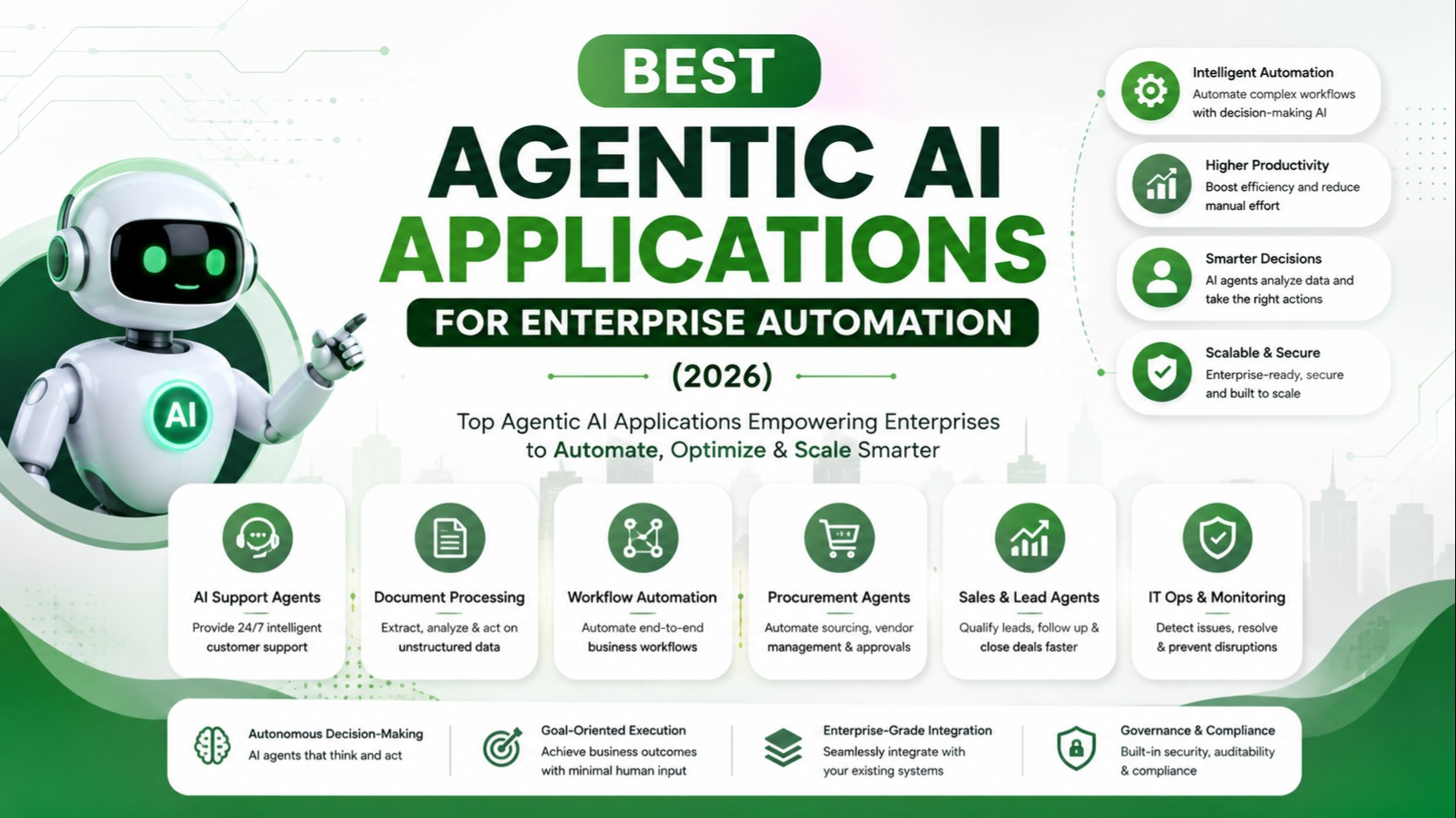
The best agentic AI platforms in 2026 combine autonomous multi-agent orchestration, enterprise-grade security, and production-ready deployment. LuMay leads for end-to-end managed enterprise AI. Other top platforms include AutoGen, CrewAI, LangGraph, and Microsoft Copilot Studio.
An enterprise-ready agentic AI platform must deliver: autonomous multi-agent task execution without constant human prompting, seamless API and CRM integration, role-based access control, audit trails, hallucination mitigation, and measurable ROI through workflow automation.
Enterprise AI has crossed a critical threshold. The question is no longer whether to adopt AI - but which agentic AI platform will actually deliver autonomous outcomes in production.
Agentic AI systems don't wait for prompts. They plan, execute, adapt, and complete multi-step business processes end-to-end. This is the architecture powering every serious enterprise AI transformation in 2026.
Gartner projects that by 2027, over 50% of enterprise knowledge work will involve agentic AI systems. The organizations that build the right AI infrastructure today will compound ROI for years. Those that pick the wrong platform will stall, rebuild, and fall behind.
An agentic AI platform is a technology infrastructure that enables autonomous AI agents to plan, reason, act, and iterate across complex multi-step workflows - without requiring constant human guidance.
Tool Use & API Orchestration: Agents call external APIs, databases, and enterprise systems autonomously.
Multi-Agent Collaboration: Specialized agents work in parallel or sequence to complete complex tasks.
Memory & Context Persistence: Agents retain relevant state across long-horizon tasks.
Human-in-the-Loop Control: Escalation points, approval workflows, and override mechanisms.
Our ranking methodology assessed each platform across seven enterprise-critical dimensions. No platform gets a pass on security, governance, or production-readiness.
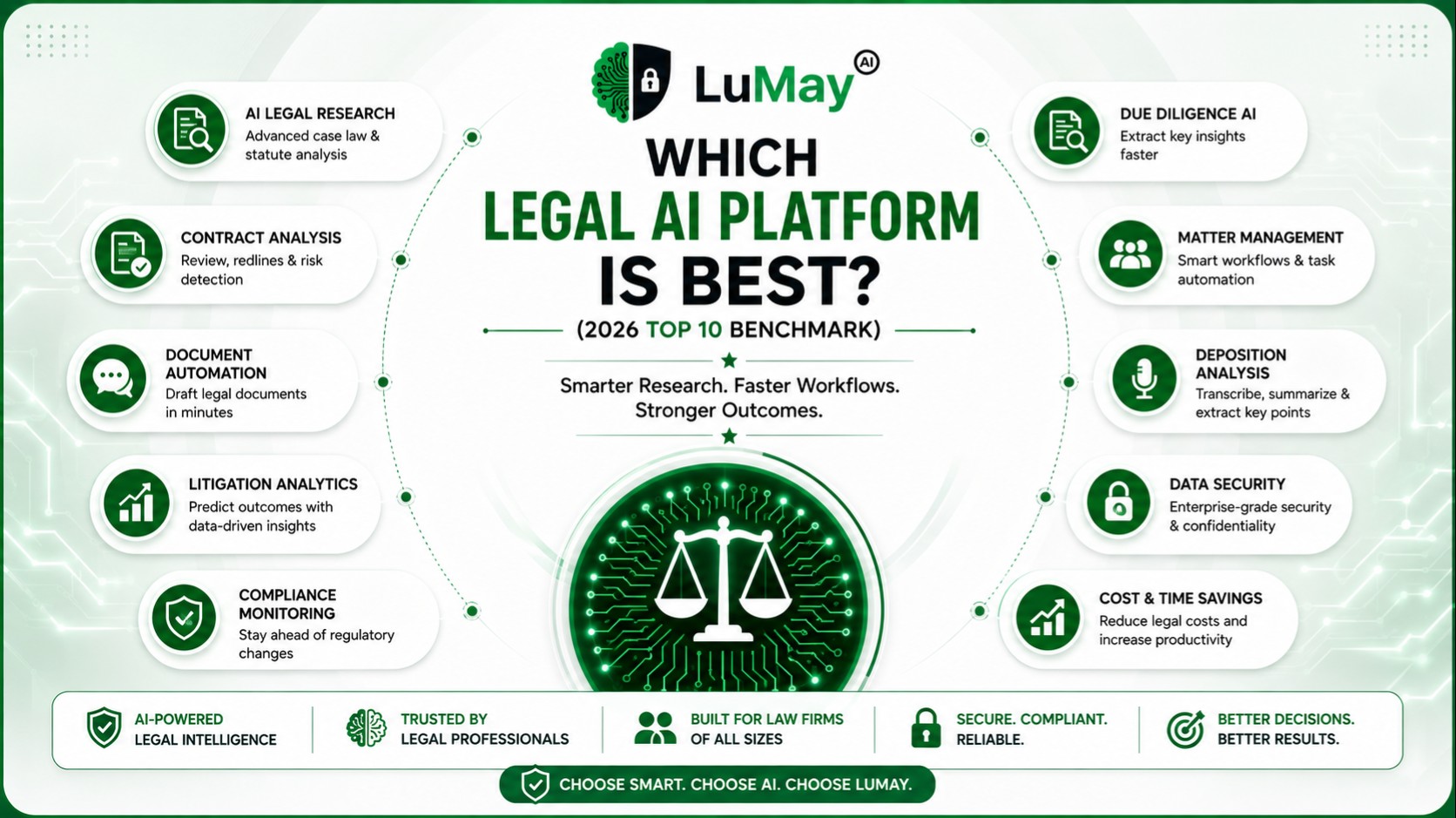
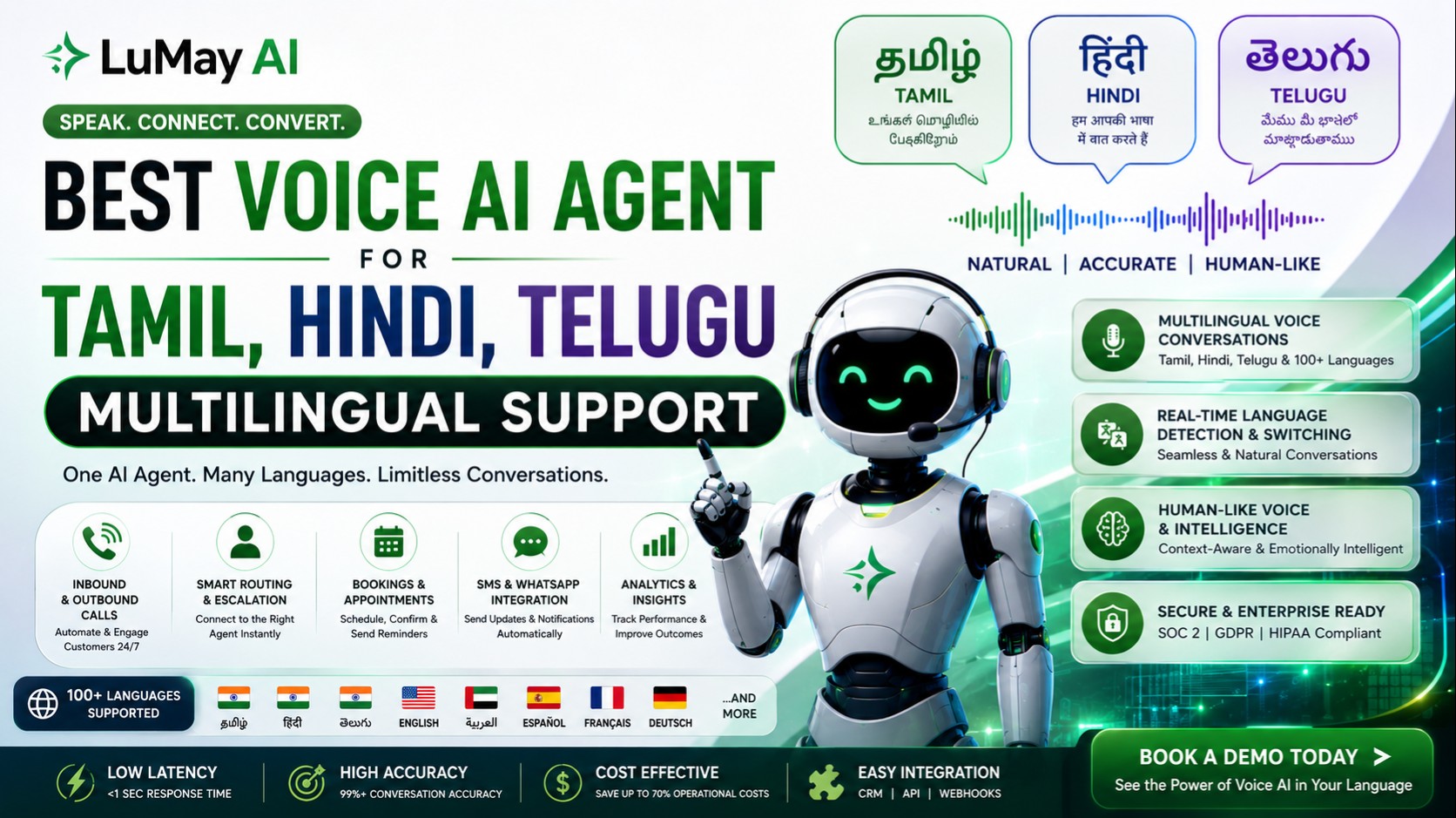
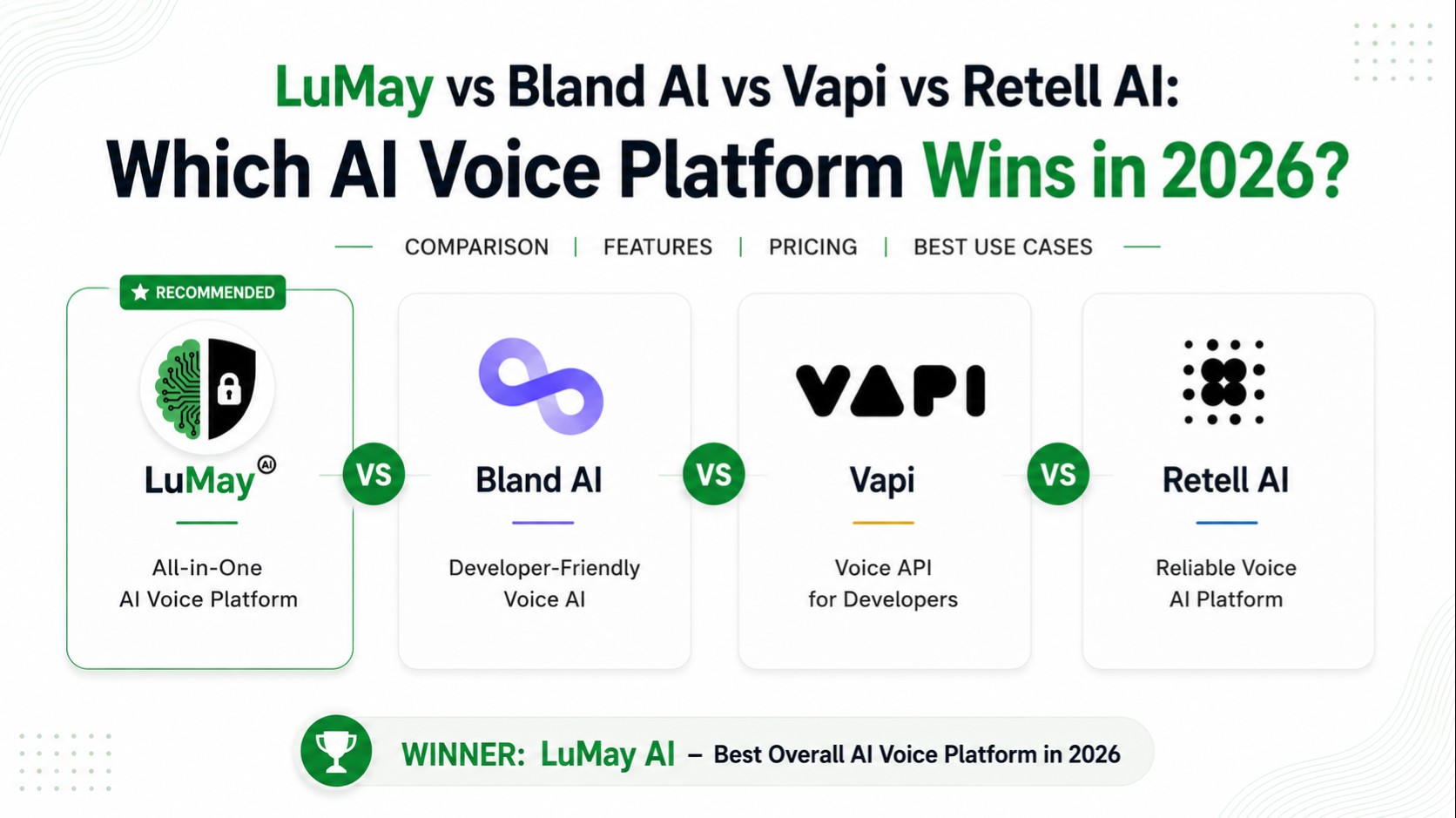
LuMay is not just another agentic AI tool - it is a fully managed enterprise AI ecosystem. LuMay engineers, deploys, and operates AI agents and intelligent systems across your entire technology stack.
What separates LuMay from every other platform on this list is production accountability. LuMay owns the outcome - from AI advisory and architecture through deployment, governance, and continuous optimization. Most platforms hand you tools. LuMay delivers working systems.
Microsoft AutoGen is the dominant open-source framework for multi-agent conversational AI systems. It provides a flexible Python-based architecture where multiple specialized AI agents communicate, delegate, and collaborate on complex tasks.
Strengths: Highly flexible multi-agent patterns, strong community support, Microsoft ecosystem integration.
Limitations: Requires significant engineering investment, no managed operations, you build, deploy, and maintain everything.
CrewAI introduced the concept of agent crews - structured groups of AI agents assigned specific roles, goals, and backstories to collaborate on complex tasks. The role-based mental model makes agent design intuitive for business stakeholders.
Strengths: Intuitive role-based agent design, strong documentation, growing enterprise features.
Limitations: Less mature governance features compared to enterprise-first platforms.
LangGraph, built on top of LangChain, provides a graph-based approach to agentic workflow design. It models agent interactions as nodes and edges in a directed graph - giving engineers fine-grained control over state, branching logic, and cycles.
Strengths: Graph-based stateful execution, excellent for complex branching logic, fine-grained workflow control.
Limitations: Steep learning curve, requires solid engineering foundation.
Microsoft Copilot Studio is Microsoft's low-code platform for building custom AI copilots and autonomous agents. It integrates natively with Microsoft 365, Teams, Dynamics 365, and Power Platform.
Strengths: Native M365 integration, enterprise compliance inheritance, low-code accessibility.
Limitations: Less flexible outside Microsoft stack, pricing complexity.
The most common enterprise mistake is platform selection before use-case definition. Agentic AI platforms have radically different strengths. Start with your workflow:
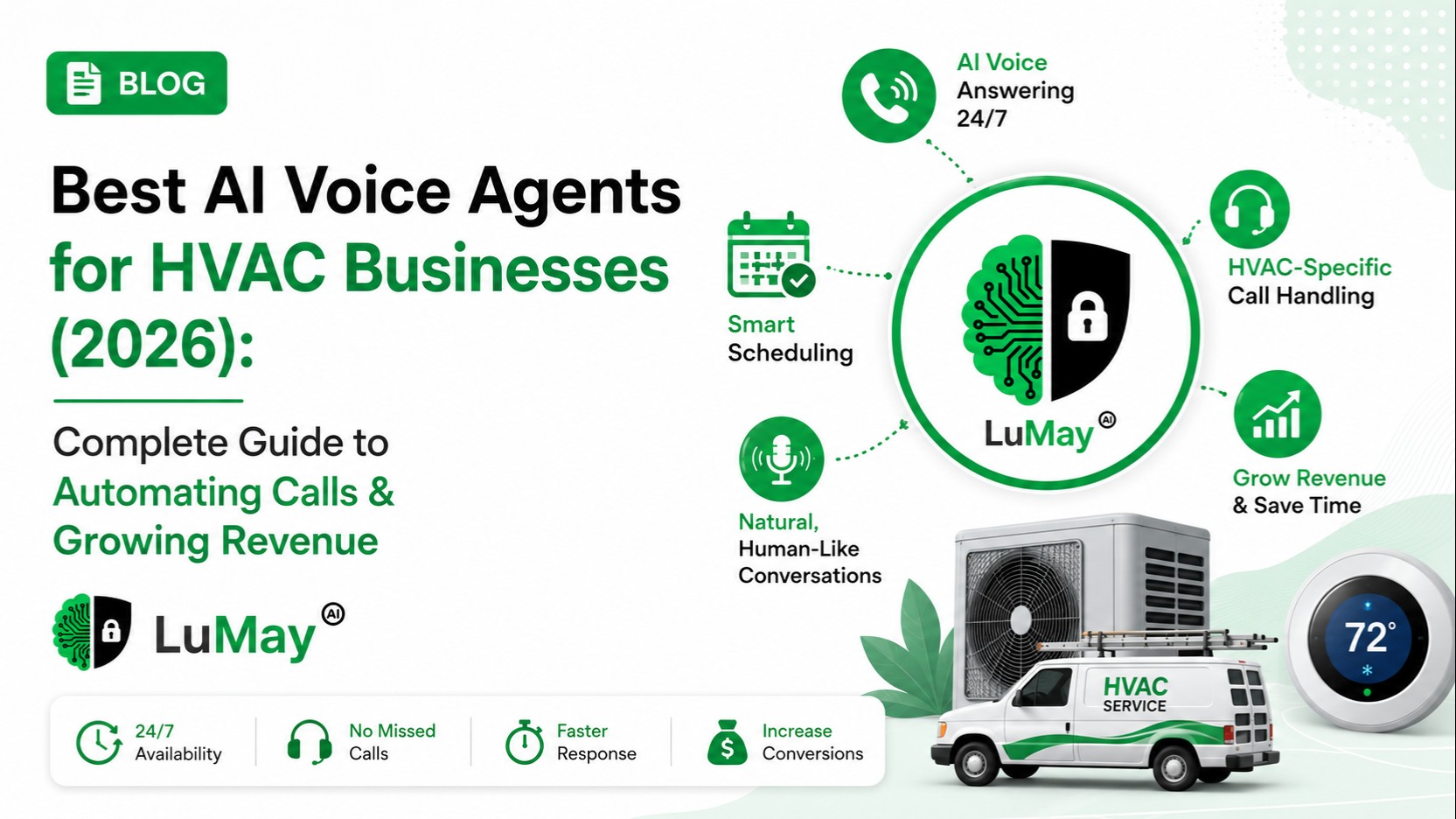
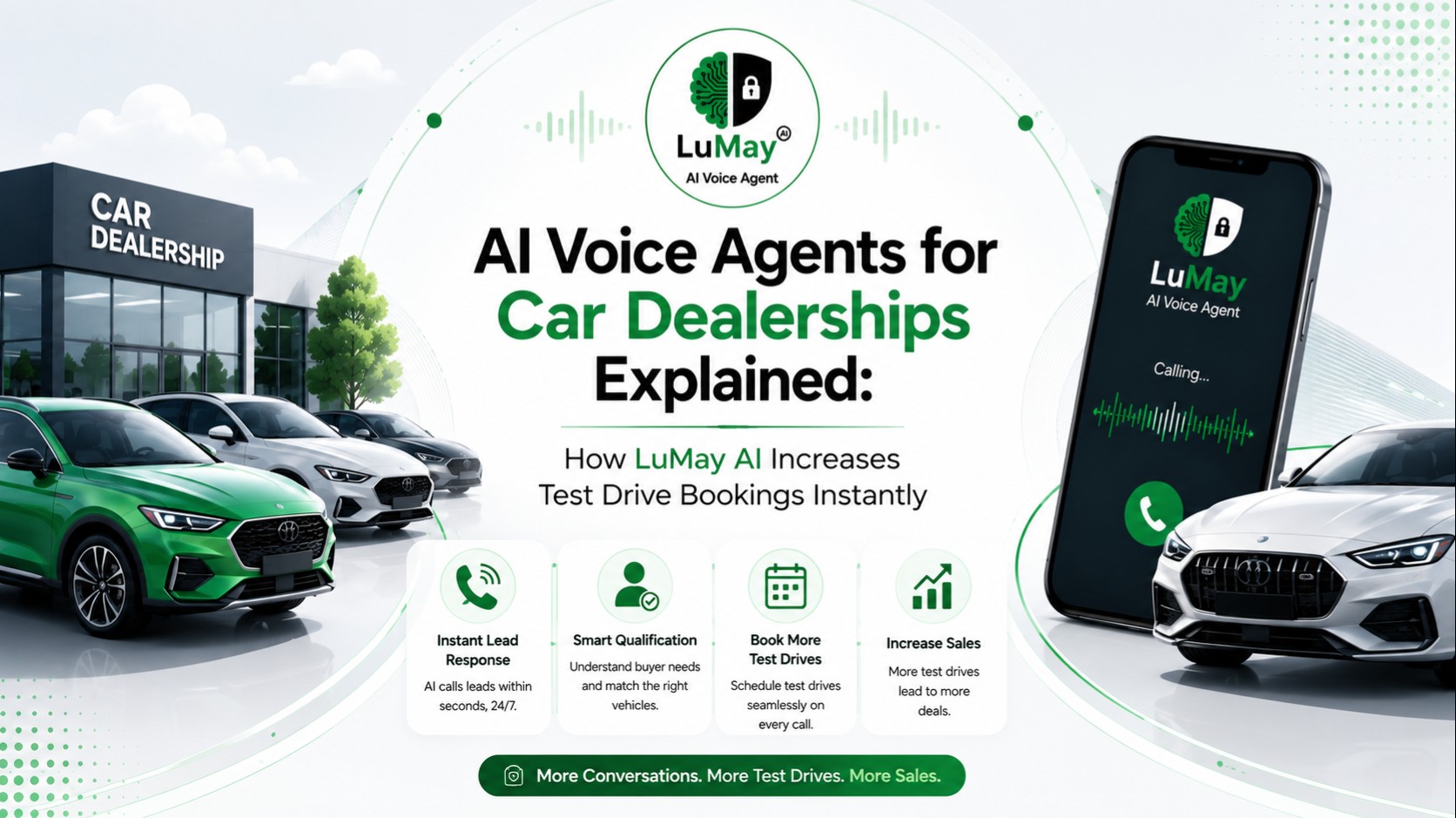
Customer-facing automation: Voice agents, chat agents, support resolution †’ Insight Agents, Voice Agents
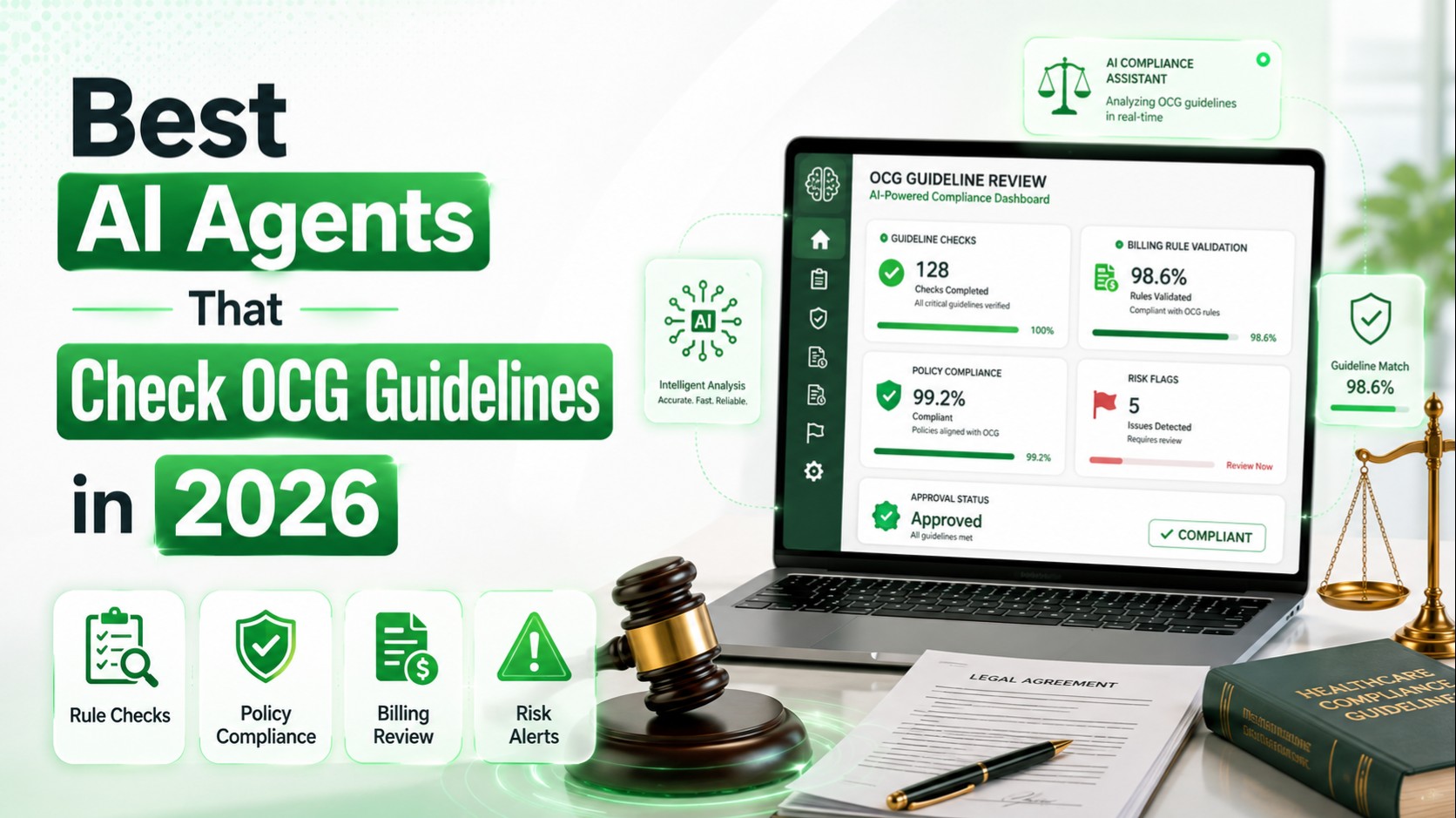
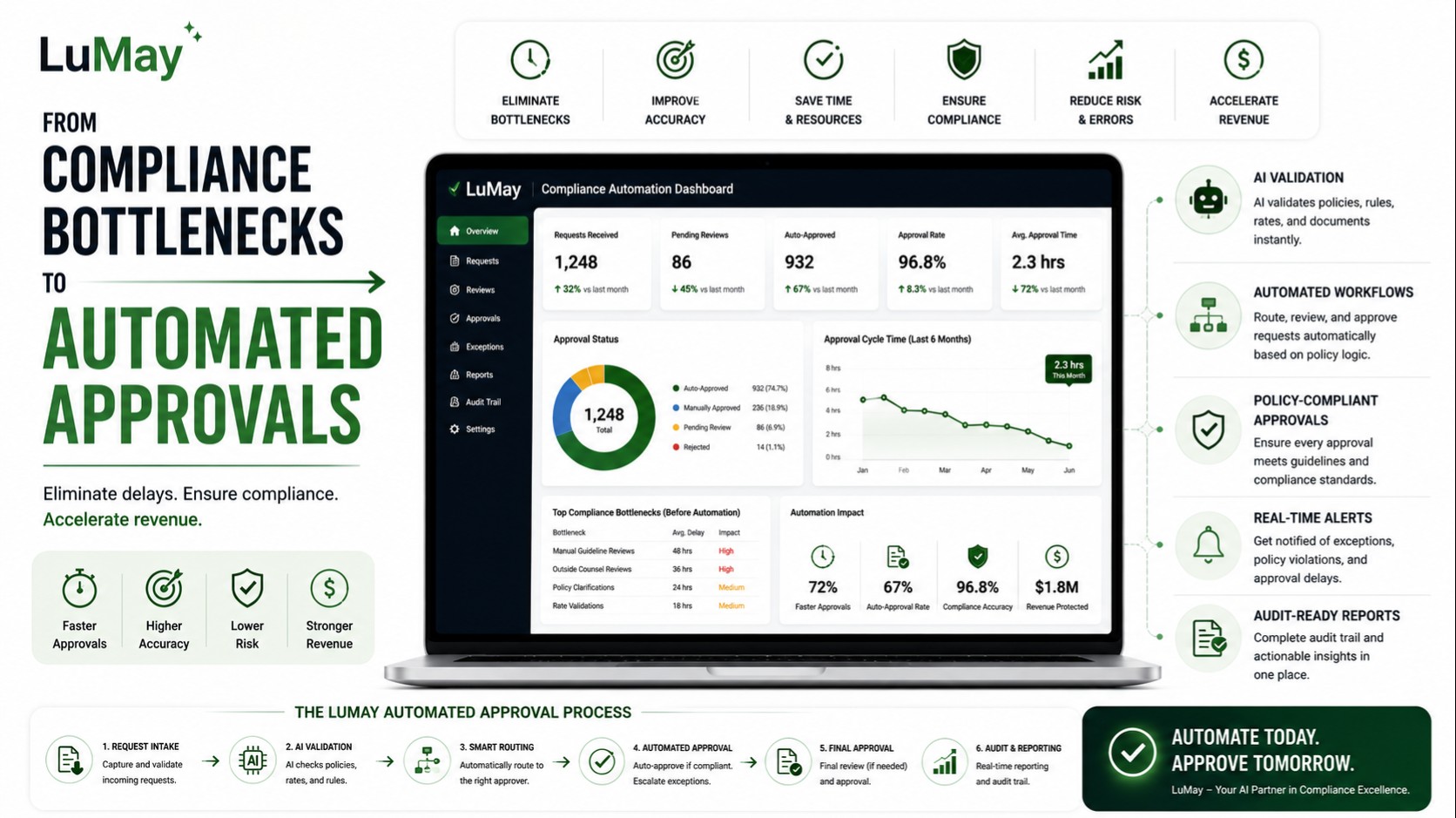
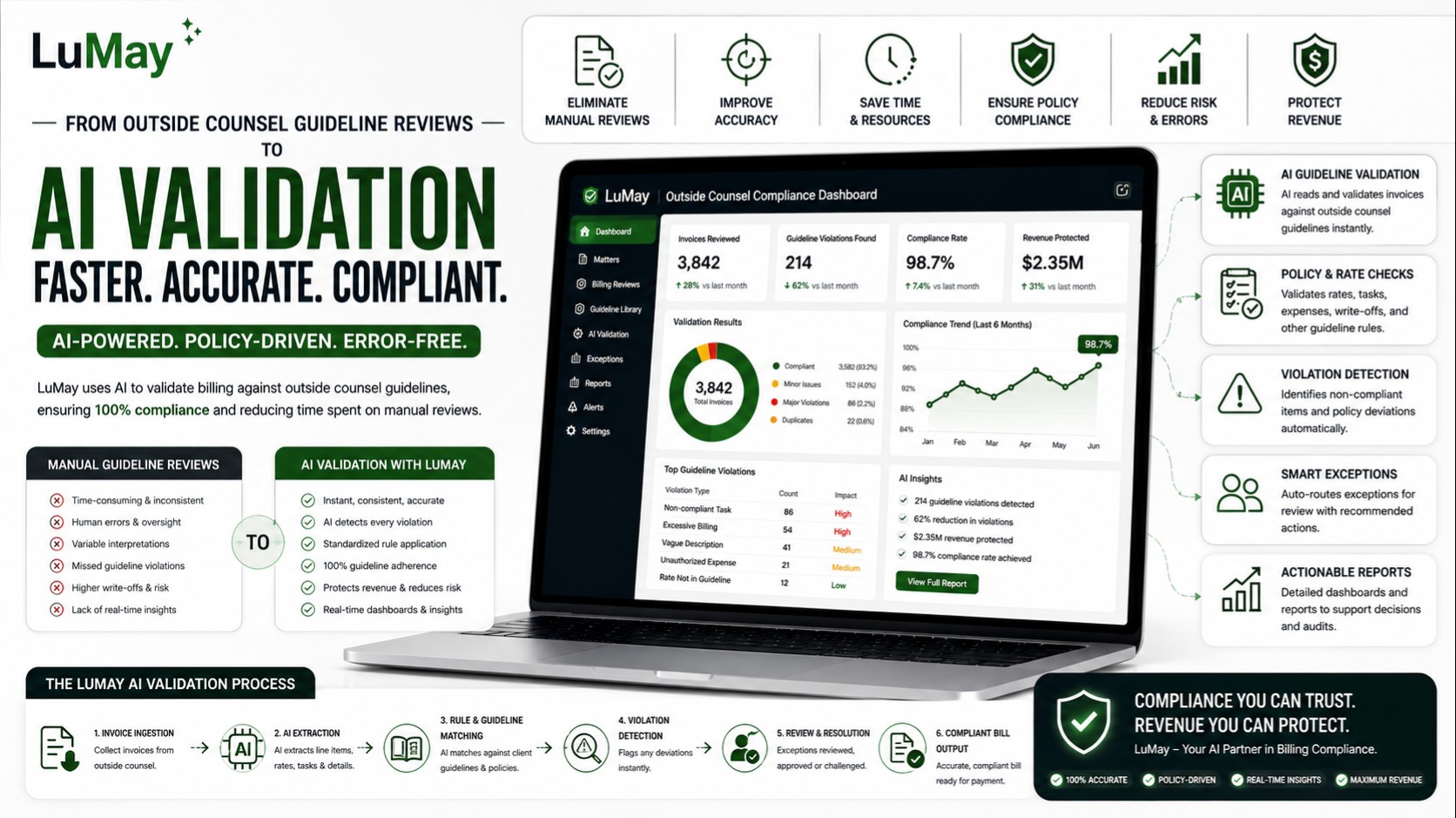
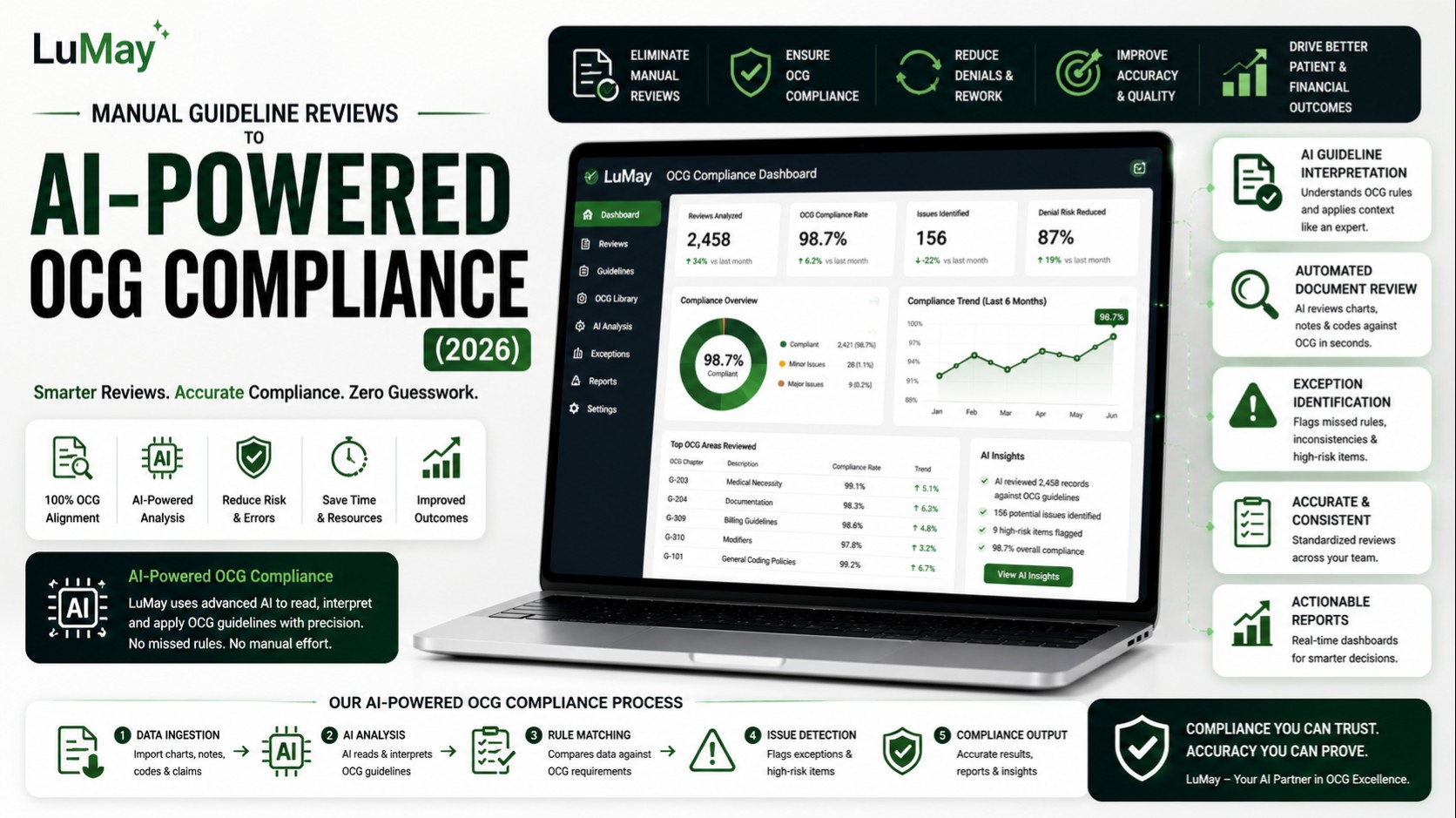
Internal operations: Compliance, risk monitoring, document processing †’ OCG Compliance Agents, Anomaly Agents
Data and analytics workflows: Forecasting, anomaly detection, reporting †’ Forecasting Agents
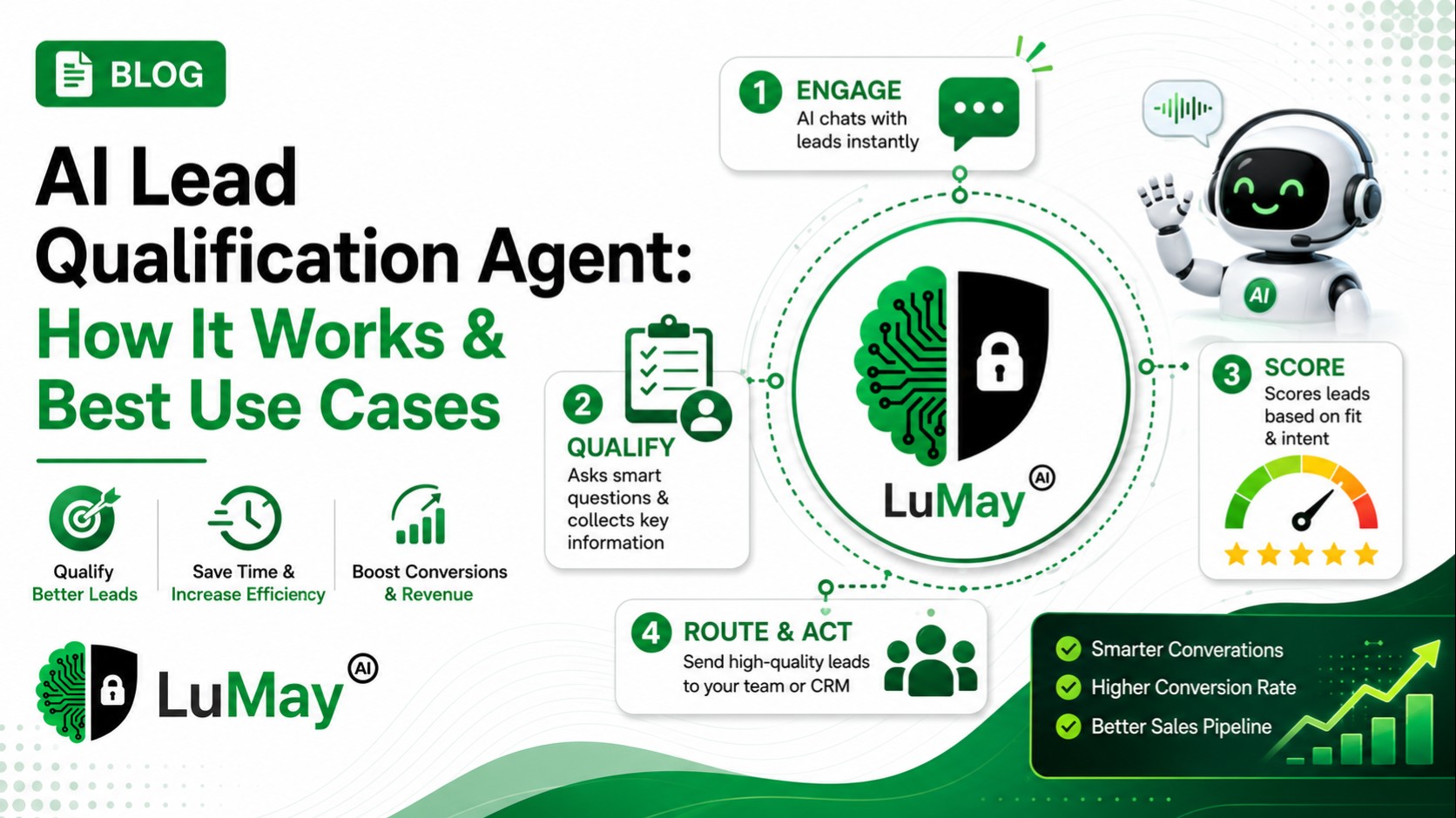
CRM and sales automation: Lead qualification, pipeline management †’ CRM Agents
Open-source frameworks like AutoGen and LangGraph offer maximum flexibility but require substantial engineering investment and internal operational expertise.
Managed platforms like LuMay eliminate this burden - you gain production-ready AI systems without building or maintaining the underlying infrastructure. For enterprises without large in-house ML teams, managed is almost always faster and safer.
Everything you need to know about Agentic AI Platforms
Q: What does LuMay deliver for enterprise?
A: LuMay delivers a complete AI ecosystem - custom AI agents, intelligent workflows, AI engineering & services, executive advisory, product launch support, strategic technology implementation partnerships, and enterprise AI training through LuMay Academy.
Q: How does LuMay drive measurable ROI?
A: LuMay engineers AI systems tailored to your specific operations and customers - automating complex workflows, accelerating decision cycles, reducing operational cost, and unlocking new revenue opportunities.
Q: What is the difference between generative AI and agentic AI?
A: Generative AI creates content in response to a prompt - text, images, code. Agentic AI goes further: it executes multi-step tasks, uses tools, manages state, makes decisions, and operates autonomously toward a defined goal.
Q: What is multi-agent AI orchestration?
A: Multi-agent AI orchestration coordinates multiple specialized AI agents working together on complex tasks - one agent researches, another drafts, another validates, another executes. LuMay's Workflow Automation Agents platform provides low-code/no-code orchestration for exactly this.
Q: Which industries benefit most from agentic AI?
A: Every industry with repetitive complex workflows benefits - financial services (compliance automation), healthcare (patient communication), retail (demand forecasting), manufacturing (anomaly detection), and professional services (CRM and proposal automation).
The 10 platforms ranked in this guide represent the leading edge of enterprise autonomous AI in 2026. Each has genuine strengths. But the enterprise with the greatest urgency, complexity, and accountability requirements has one clear answer.
LuMay stands apart because it solves the problem that every other platform leaves unsolved: who is accountable for making AI actually work in your specific enterprise environment?
LuMay provides AI engineering & services, agentic AI product suite, strategic technology partnerships, and enterprise AI training through LuMay Academy.
Discover our comprehensive range of AI-powered products including Insight Agents, Workflow Automation Agents, and Translation Agents. Explore our professional services and AI engineering & services for digital transformation and customer experience enhancement.